Last updated: June 2026 — Marcus Webb. Prices and logistics verified June 2026.
What Saranda Is Actually Like in 2026
I’ll be straight with you: Saranda in August is not the Albania you came for.
It’s package holiday territory — bars playing chart music until 3am, beach clubs charging 3,000 ALL (€28) for two sunbeds and an umbrella, and a waterfront so crowded you spend more time navigating it than enjoying it. The Reddit consensus in 2026 is blunt: “prices that no longer match its reputation.”
That said — and this is important — Saranda in June is a genuinely good base. The water is exactly the same Ionian blue. The day trips are running. The restaurants are open. Prices are roughly 30–40% lower. And you can walk the promenade without feeling like you’re evacuating a stadium.
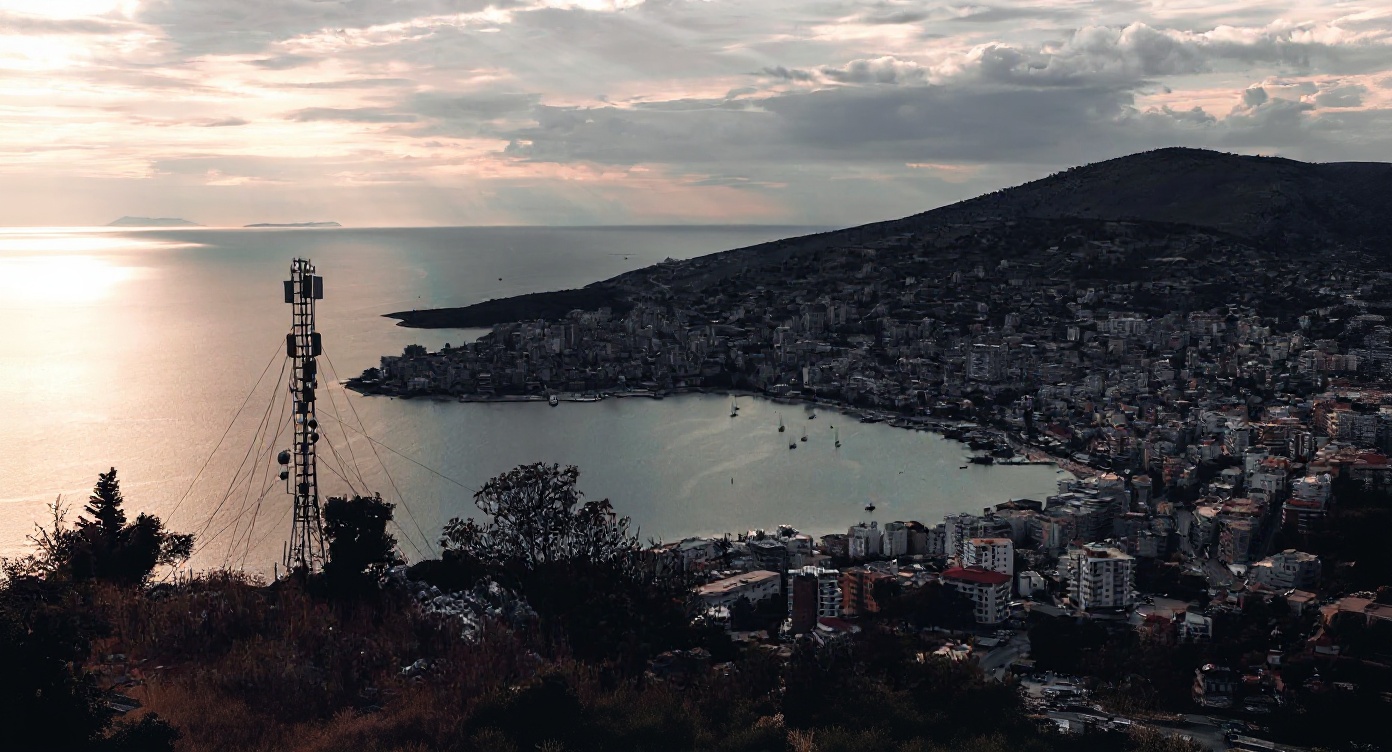
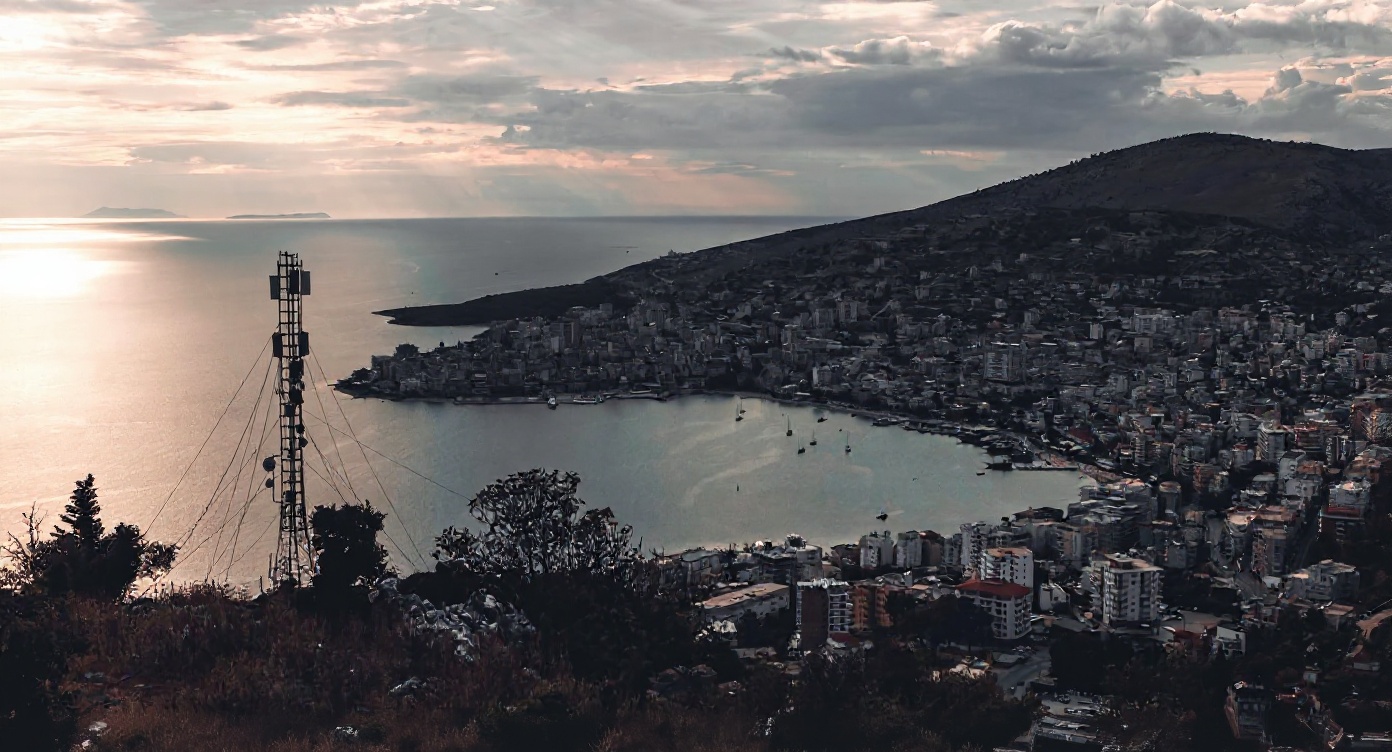
The city sits in a bay facing Corfu across 12km of water. The Greek island is visible from the waterfront on any clear day — which is most days, because the Saranda microclimate is relentlessly sunny from May through October. The backdrop is steep hills with apartment blocks stacked up them, the old communist-era ones gradually being replaced by new construction.
It’s not a beautiful city. It’s a useful one.
⚠Real Talk
Saranda’s own beach — Plazhi i Sarandës — is fine but unremarkable. Small, busy, grey-ish sand, sunbeds for hire. The reason people come here is not this beach. It’s Ksamil, 30 minutes south. If you’re here for a beach holiday and can only pick one place to stay, read the Ksamil section below before booking anything.
Day Trips From Saranda — This Is the Real Reason to Come
Saranda’s best feature is its location: within 30 minutes you can be at the most beautiful beaches on the Albanian coast, a UNESCO World Heritage site, and one of the most remarkable natural springs in the Balkans. Plan on spending your days out and your evenings in Saranda.
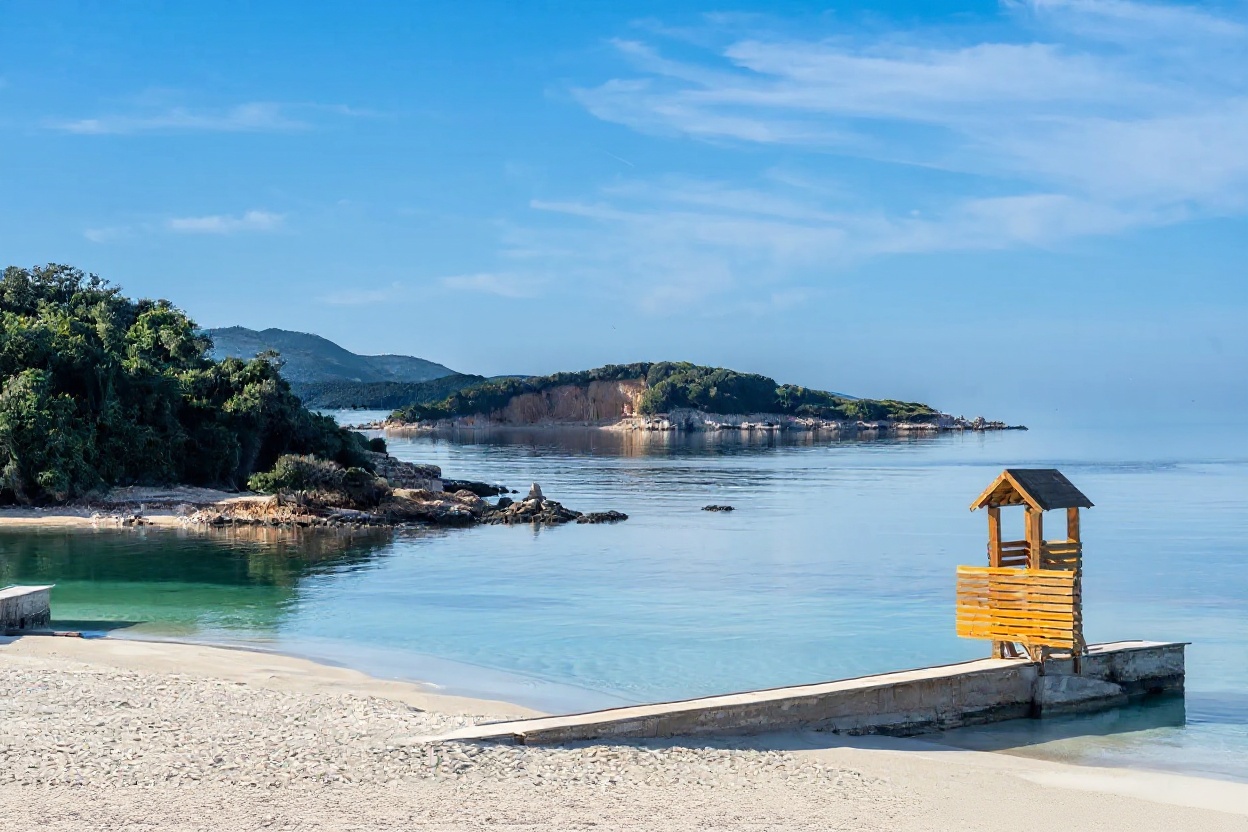
Ksamil Beaches (30 minutes south)
Ksamil earns its reputation. Three small islands sit just offshore in water that’s the kind of blue you assume is photoshopped until you’re standing in it. The village has stretched and commercialised in the last five years, but the water quality and the visual spectacle remain.
To get there: furgon from the bus station area in Saranda runs throughout the day, costs 100 ALL (~€0.93). Or taxi for 600–800 ALL (~€5.60–7.40) if you’re going with bags or early morning.
Beach setup: 3,000 ALL (~€28) for an umbrella with two sunbeds at a private beach. There are a few free public beach strips that get crowded fast — worth arriving early if you want them. In August, both options fill by 9am. In June, you can usually find a spot at 10am without effort.
I went to Ksamil on a Thursday in late June, arrived at 9:30am, paid 3,000 ALL for a decent setup directly on the water. Stayed until 3pm. The Ionian was warm enough that I stayed in the water for a solid 40 minutes, which is not something I say lightly — I’m British, I find 22°C cold. It was worth the day trip on its own. If I were doing the trip again, I’d base myself in Ksamil rather than Saranda for a beach-focused stay. See our guide to Albanian beaches for the full comparison.
•MARCUS’S PICK
Ksamil first beach (the one immediately as you enter the village from the Saranda road). It’s slightly less crowded than the others because tour buses stop further in. Arrive before 10am in June, before 8:30am in July–August.
Blue Eye Spring — Syri i Kaltër (25 minutes)
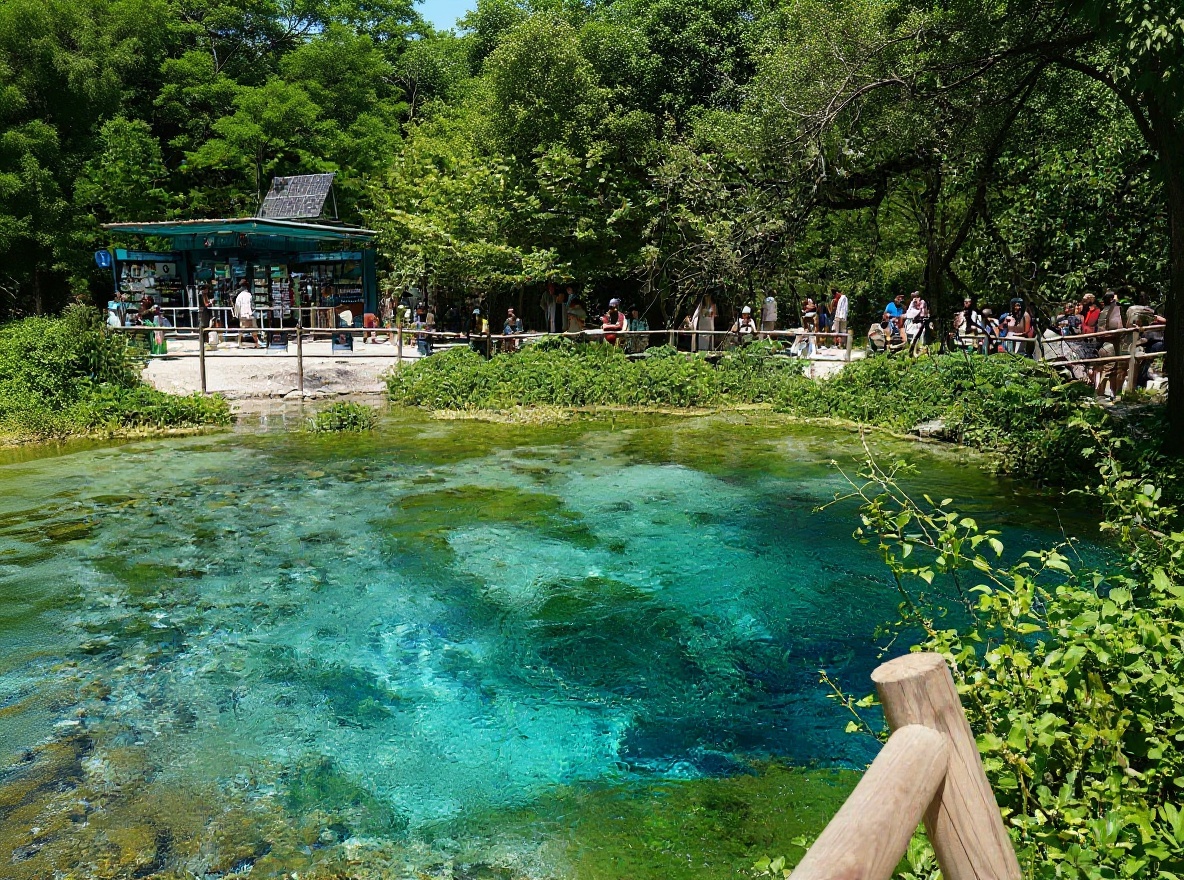
The Blue Eye (syri i kaltër — say: SEE-ree ee KAL-tur) is a natural spring that produces 18,400 litres of water per second from an unknown depth. The water temperature is 10°C year-round. The colour is an impossible electric blue, caused by the refraction of light through the karst rock below.
It earns the photographs. It’s also one of the most efficient 2-hour excursions in Albania.
Getting there: no direct public transport. Rent a car (strongly recommended if you’re doing multiple day trips), or take a taxi from Saranda for 1,500–2,000 ALL (~€14–18) return, including waiting time. Entry fee: 100 ALL (~€0.93) — Marcus has confirmed this as of June 2026.
The pool itself is about 15 metres wide. You can swim near the edge — the cold hits you immediately. A wooden walkway circles the spring. The path from the car park through the forest takes about 10 minutes and smells of pine and river water. There’s a restaurant at the entrance that’s overpriced and unnecessary.
Honest note: the cable car above Saranda that’s advertised as “views of the Blue Eye area” is not worth your time. It shows you a view of the Saranda bay, not the spring. Skip it.
Butrint National Park — UNESCO Site (20 minutes)
Butrint is a UNESCO World Heritage site containing a continuously occupied city from the 8th century BC through the Byzantine period. Greek theatre, Roman forum, Byzantine baptistery with intact floor mosaics, Venetian walls — in 4 hectares of forest and lagoon.
It’s genuinely impressive and visited by far fewer people than it deserves. Even in peak season, you can walk the site in relative quiet because most of the Saranda crowd doesn’t make it this far.
Getting there: taxi from Saranda for 1,200–1,500 ALL (~€11–14) return. Or rent a car and combine with Ksamil and Blue Eye in a single day — this is the right move. Entry fee: around 1,000 ALL (~€9.30) per person as of 2026.
Allow 2–3 hours to do it properly. The site map is included with entry. Go in the morning before the heat builds in summer — by 11am in July it’s unpleasant under the full sun.
ℹKnow Before You Go
Combine Butrint + Blue Eye + Ksamil in a single day if you have a car. Drive order: Butrint first (20 min from Saranda, morning, before heat), Blue Eye second (detour on the way back, 25 min), Ksamil last (afternoon swim). Total road distance is about 60km. This is the most efficient day on the Albanian Riviera.
Lekuresi Castle — Best Sunset in Saranda
The castle sits on the hill above Saranda and has been converted into a restaurant. Go for the view, not the food.
At golden hour the bay spreads out below you — Saranda’s crescent, Corfu on the horizon, the Ionian going from blue to copper. It’s the one genuinely beautiful view of Saranda itself, the kind that makes you understand why people built here. Taxi up costs 500 ALL (€4.60); walk down if you’re fit — it’s steep but manageable in 30 minutes.
Saranda Beaches: The Honest Assessment
The city beach (Plazhi i Sarandës) is a 600-metre stretch of grey-sand beach immediately in front of the waterfront. It’s fine. It’s convenient if you want a quick dip before dinner without travelling anywhere. It’s not why you came to Albania.
Facilities: sunbed and umbrella hire available. The water is clean — Saranda bay is well-maintained. No dramatic scenery. Just a functional city beach.
For the real beach experience on this stretch of coast, you need either Ksamil (see above) or the village beaches further north along the Riviera — Himara, Dhermi, Qeparo. These are covered in our Albanian Riviera guide.
Food and Drink in Saranda
The waterfront restaurant row is what it looks like: tourist-facing, English menus in the windows, slightly inflated prices. You can eat well there. You can also do better.
Restaurant meal (main course): rarely over €10. Beer: €1–2. Wine: €5–8/bottle at a restaurant. These are the June prices; August pushes things up 20–30%.
Walk one or two streets back from the promenade and you find smaller qaxe (say: CHA-zeh — local cafés) and restaurants where the prices drop and the menus get more interesting. The byrek shops are along Rruga Vangjel Pandi, selling flaky pastry filled with feta or spinach for 80–100 ALL (~€0.75–0.93). Buy one. It’s a better breakfast than anything the waterfront hotels are offering.
For fish: Saranda’s position on the Ionian means the seafood is good. Look for restaurants advertising fresh catch — most of the waterfront places have it. Grilled fish (salmón, sea bass) will run €10–14 at a mid-range waterfront spot. Prices are honest if you check the menu before sitting down.
↗Insider Tip
Ask for tap water (ujë nga rubineti — say: OO-yeh nga roo-bee-NE-tee). Most restaurants serve bottled water by default at €1–2 per bottle. Saranda’s tap water is clean and safe. This is one of those habits that saves €5–8/day over a week without you noticing.
Where to Stay in Saranda
Budget: €20–25/night for a clean guesthouse or Airbnb apartment. Mid-range: €40–70/night for a hotel with breakfast and sea view. Splurge: €80–120/night for one of the newer seafront hotels.
The neighbourhood question: stay near the waterfront if you want to walk to restaurants and the promenade. The hillside apartments above the city are cheaper but require a taxi or a steep 15–20 minute climb every time — fine if you have a car, less fine if you don’t.
June prices are 30–40% lower than August for equivalent rooms. A hotel that costs €70/night in peak will often be €40–45 in June. Book ahead for July–August regardless — Saranda fills up.
Getting to Saranda
From Tirana: bus or furgon from Tirana South Bus Terminal (Terminali i Jugut) — journey time 3.5–4 hours depending on the route and season, costs 700–1,000 ALL (~€6.50–9.30). Buses run multiple times daily from early morning. The road south via Gjirokastra goes through some of the best mountain scenery in Albania.
From Gjirokastra: furgon takes 1.5–2 hours, 500–600 ALL (~€4.60–5.60). This is the most scenic option and well worth doing as a route rather than going directly.
From Corfu (Greece): ferry from Corfu port takes 30–45 minutes. Multiple operators run the crossing — Finikas Lines and Ionian Seaways are the main ones. Prices start around €20–25 one way. This is an excellent entry point into Albania if you’re coming from Greece and want to work your way north.
From Vlore or Himara: furgons run south along the Riviera road — spectacular drive, worth doing at least one direction on a clear day. Himara to Saranda is about 1 hour, 300–400 ALL (~€2.80–3.70).
What Marcus Did Wrong (So You Don’t Have To)
I went to Saranda for the first time in the second week of August. I’d spent five days in Tirana, a week in the north — Valbona, Theth, Komani — and was looking forward to a few days on the coast before flying home.
It was 37°C. The promenade was shoulder-to-shoulder. The beach I’d planned to spend the afternoon on was full by the time I arrived at 11am. Every restaurant near the waterfront had a 20-minute wait. The taxi driver who took me from the bus station charged 1,200 ALL for a ride that should have been 400 ALL — I was too hot and too tired to negotiate.
None of this is Saranda’s fault. August is August.
I went back in late June two years later. Same city, completely different experience. I walked the promenade at 7pm with a beer, found a table at a waterfront restaurant without waiting, paid 600 ALL for a good fish main course, and watched Corfu go dark across the water. It’s a good town in the right month. The best month is June. Second best is September.
Check the Albania best time to visit guide before you book.
Saranda’s Connection to the Rest of Albania
Saranda works well as a southern anchor point for an Albanian trip. Common routing:
If you fly into Tirana: go north first (Shkoder, Valbona, Theth, Komani) → return to Tirana → head south by bus via Berat and Gjirokastra → arrive in Saranda for the coast. This gives you 2–3 days in Saranda before flying or taking the ferry to Corfu.
If you enter from Corfu: Saranda → Gjirokastra (UNESCO city, 2 hours north) → Berat (another 2.5 hours north) → Tirana. This is the south-to-north route and works equally well. The Gjirokastra guide covers that stop in detail.
How long to spend in Saranda: 2–3 nights. One day for Ksamil + Blue Eye, one day for Butrint + boat tour, one evening on the promenade. That’s the honest sweet spot — it’s not a city that needs more than three days, and trying to stretch it gets thin.
Boat Tours from Saranda
The boat tour options from Saranda are genuinely good and worth the money. A half-day trip running south past the Ksamil islands, around Butrint lagoon, and back covers more coastline than you’d manage by land and gives you the perspective that this section of the Albanian Riviera is best seen from the water.
Standard price: around €30 per person for a half-day tour (4–5 hours). Most operators depart from the main pier at 9am and 10am. Full-day tours that extend to include Himara or the Blue Lagoon coast go for €45–55.
What you get: stops at the Ksamil islands for swimming (better access to the outer islands than going by land), views of the Butrint lagoon, and the approach to Corfu from the Albanian side — which is a genuinely odd and good experience, the Greek island looking closer and greener than you expect.
Book through your accommodation rather than the pier touts. The morning-of deals are fine, but the established operators (who the guesthouses use) are more reliable about departure times and boat quality. In August, go at 9am — by 10am the Ksamil island swimming spots are crowded.
The Saranda Promenade: Morning vs Evening
The waterfront promenade runs the full length of the bay — about 2km — and is the main reason Saranda has a social life. In the evenings it’s genuinely pleasant: families walking, cafés with seating spilling onto the pavement, the kind of Italian-adjacent southern European promenade culture that Albania does well once you get south of Tirana.
Morning: the promenade is quieter, the light on the bay is good, and the fish market at the northern end is active early. Worth a walk before 8am if you’re an early riser — the commercial port end has working boats unloading catch, which is a different energy from the tourist-facing southern section.
Evening golden hour — 7pm to 8pm in June, 7:30pm to 8:30pm in August — is the time to walk it with a coffee or beer and watch Corfu’s lights come on across the water. This is the genuinely nice version of Saranda: warm air, low light, and a sunset over the Ionian that earns the long bus journey from Tirana.
- Is Saranda worth visiting?
- Yes, in June or September. Saranda is the transport hub for the best day trips on the Albanian coast — Ksamil beaches, Blue Eye spring, and Butrint UNESCO ruins are all within 30 minutes. The city itself is a pleasant base rather than a destination. In July–August it’s overcrowded and overpriced; the experience degrades significantly.
- Is Ksamil better than Saranda for beaches?
- Yes, substantially. Ksamil has small turquoise coves with clear Ionian water and the small offshore islands. Saranda’s city beach is grey sand and busy. If you’re primarily coming for beach time, base yourself in Ksamil (30 min south of Saranda) rather than Saranda itself. You can still use Saranda as a day trip for restaurants and the waterfront.
- How do I get from Saranda to the Blue Eye?
- No direct public transport. Take a taxi from Saranda (1,500–2,000 ALL/~€14–18 return with waiting time) or rent a car. The drive takes 25 minutes. The site is straightforward — a 10-minute forest walk to the spring, entry fee 100 ALL (~€0.93). Best combined with Ksamil and Butrint in a single day if you have a car.
- What is the best time to visit Saranda?
- June or September. The water is warm enough for swimming (22–25°C), prices are 30–40% lower than peak, and the waterfront is navigable. July–August brings heat (35–38°C), crowds, and tourist-inflated prices. May is possible but the sea is cooler (18–20°C). October is quieter still but some restaurants and boat tours start closing.
- Can I take a ferry from Saranda to Corfu?
- Yes. Ferries cross from Saranda to Corfu port in 30–45 minutes. Finikas Lines and Ionian Seaways operate the route. Tickets from around €20–25 one way; book ahead in summer. This is a popular entry/exit point for travellers combining Greece and Albania — Corfu town is a 10-minute walk from the ferry terminal.
- How much does Saranda cost per day?
- Budget traveller: €30–45/day covering accommodation (€20–25), food (€8–12), and local transport. Mid-range: €60–90/day with a hotel with breakfast, restaurant meals, and day trip entry fees. Beach setups (3,000 ALL/~€28) and boat tours (€30) are the biggest single costs if you add them. These figures are for June; add 25–35% for August.
Saranda Nightlife and Evening Culture
Saranda has a proper evening, and it’s one of the things the city does genuinely well regardless of season.
The xhiro — the Albanian evening stroll — happens on the promenade from about 7pm until 10pm. This is not a tourist activity. This is Albanian families doing what Albanian families do: walking, stopping for ice cream (the gelato shops on the promenade charge 150–200 ALL per scoop, substantially less than the beach bar versions), letting children run, talking to people they know. In June it’s relaxed. In August it’s shoulder-to-shoulder. Both versions are worth a walk-through.
The bar scene concentrates along the waterfront and the streets immediately behind it. Saranda’s cocktail bars charge 500–800 ALL (~€4.65–7.40) for a standard mixed drink — still cheaper than the UK or Western Europe, but not Albania-cheap. Local beer (Korca or Tirana brand) at a bar is 200–300 ALL (~€1.85–2.80). Wine by the glass at a restaurant: 250–350 ALL.
For a quieter evening: the Lekuresi Castle restaurant is the answer. The restaurant is overpriced and the food is average, but the terrace at golden hour — looking down over the bay with Corfu going dark across the water — is the best view available in Saranda, and a glass of wine up there (450–600 ALL) earns its cost. Take a taxi up (500 ALL) and walk down if you’re fit. The walk takes 30–35 minutes on a steep path; bring a torch in the dark.
One honest note: Saranda’s nightlife in August runs past 3am and is audible from most waterfront accommodation. If you’re a light sleeper planning an August visit, either choose accommodation a few blocks back from the main strip or accept that earplugs are the solution. This is not a complaint about the city — it’s a city that’s having a good time. It’s just useful to know before you book a beachfront room for €95 expecting quiet.
Saranda is a coastal town that does what it’s supposed to do — gives you easy access to some of the best day trips in Albania, a decent promenade for an evening beer, and a ferry connection to Greece if you’re heading that way. It’s not the wildest or most interesting Albania you’ll find. The north has that. But as a base for exploring the Albanian Riviera, it works, and it works well in the right month. June. Go in June. Questions in the comments — I check most days.