Last updated: June 2026 — prices verified June 2026.
Albania is still one of the cheapest countries in Europe. That statement requires an asterisk: cheapest on the coast in July is a different proposition from cheapest in Gjirokaster in October. The 2019 travel blogs that quote €20/day are describing a country that’s repriced significantly since then. The honest 2026 numbers for careful independent travel are €30–45/day. Here’s the full breakdown.
I’ve been in Tirana for four years. My flat in Blloku is €350/month — that number tells you everything you need to know about how this country is priced relative to where you’re probably coming from. I know what things cost because I pay for them. These are the actual numbers.
The Quick Budget Tiers
Hostel dorms (€10–15), local restaurants and burek bakeries, furgons between cities, free beaches. Achievable year-round outside July–August on the Riviera, when everything costs more.
Private rooms (€25–50), sit-down restaurants, occasional taxi, a museum or two. What most independent travellers actually spend when they stop tracking every coffee.
Good hotels, better restaurants, hired car, coastal boat trips. Still significantly cheaper than equivalent quality in Greece or Croatia.
⚠Real Talk
The Albanian Riviera in peak summer (July–August) runs hotter than these figures suggest. Beach accommodation that costs €25/night in June costs €50–70/night in August. A sunbed on Ksamil beach: €15/day in peak, non-existent price in October because you just walk on and sit down. If your trip is timed for the summer coast, budget 30–40% more than these figures.
Accommodation Costs
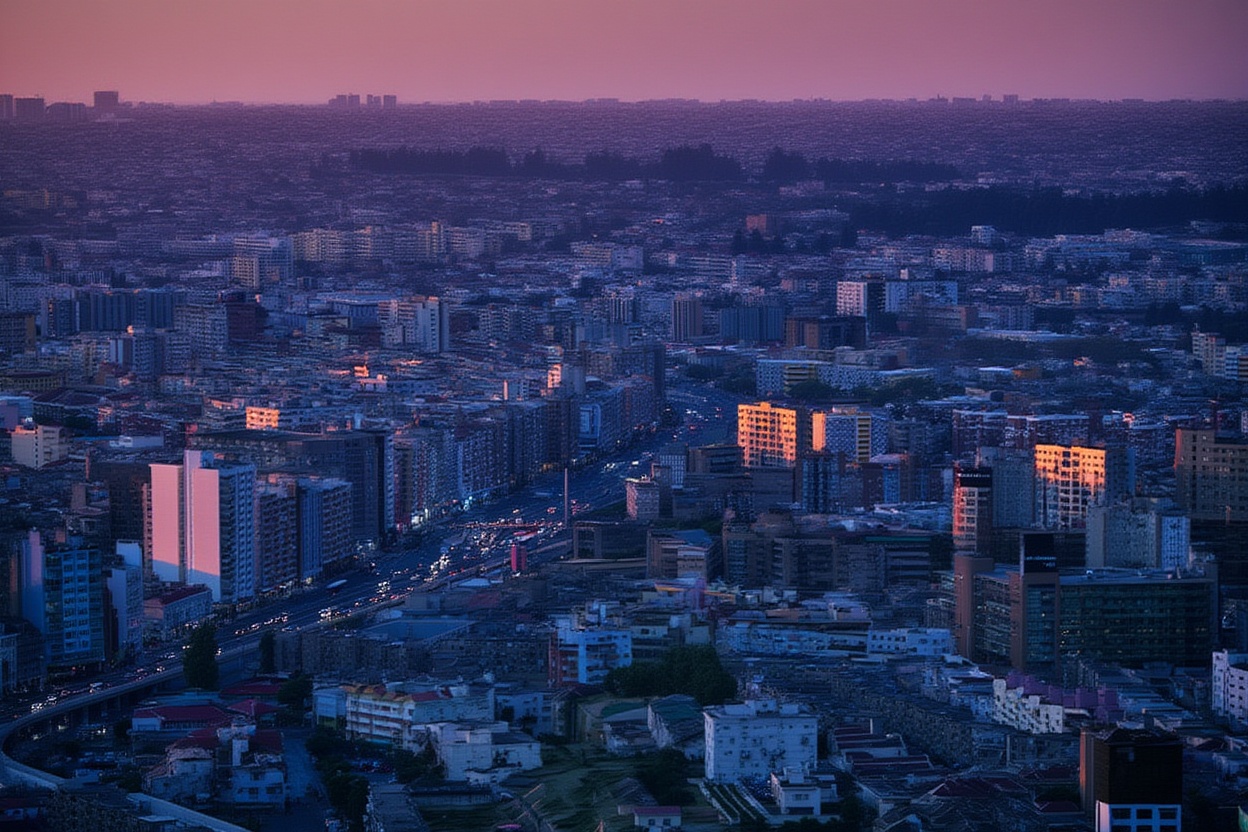
Hostels: Albania’s hostel scene has improved markedly over the past five years. Tirana has the most options — dorm beds for €10–15/night. Shkodër, Gjirokaster, and Berat have smaller hostels that are often better value because the overhead is lower — €8–12 for a dorm bed in Gjirokaster Old Town is possible and the old town is what you came for. Sarandë has the most tourist-facing (and overpriced-in-summer) options.
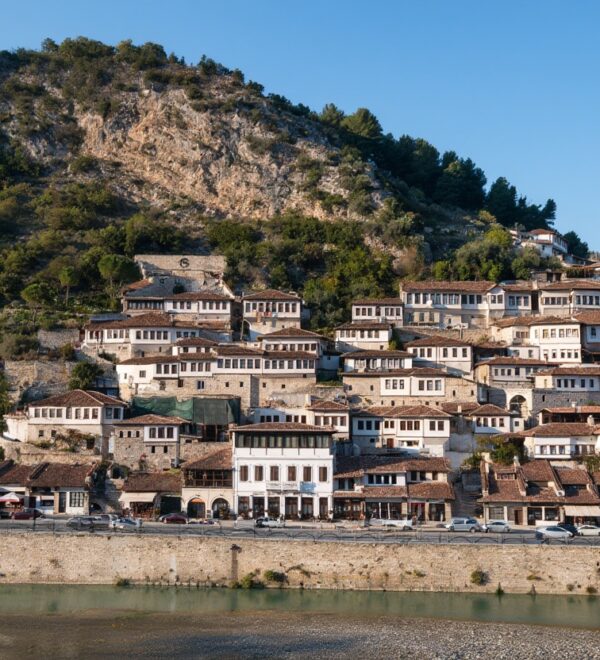
Budget private rooms: €18–30/night for a clean private room with en-suite at a guesthouse. The sweet spot for independent travel. In Berat and Gjirokaster, this level of accommodation is in beautifully restored Ottoman houses and represents extraordinary value. Book directly or through Booking.com — the difference between direct and platform pricing is sometimes 10–15%.
Mid-range hotels: €35–60/night in Tirana and the main towns. For the coast (Sarandë, Dhermi, Himara) in peak season, this gets you something basic; in shoulder season, something genuinely good.
The Riviera in summer: expect to pay €50–100/night for a private room anywhere near the beach in July–August. This is peak Croatia pricing for what is, honestly, a better product in some cases. Book months ahead for August. Alternatively, don’t go to the Riviera in August — go in June or September and pay half.
Tirana vs coast: Tirana is consistently cheaper than the Riviera for equivalent quality. This is useful if you want to base yourself somewhere comfortable and do the coast as day trips or short overnight trips.
Food Costs
Albanian food is excellent and cheap. These two facts together make eating in Albania one of the better travel experiences in Europe.
Street food and bakeries: the burek (layered pastry with cheese or meat) is the national snack. Cost: €1–1.50. A proper byrek with salad at a local place: €2–3. The bakeries (furrë) open at 6am and are where Albanians actually eat breakfast. Get there before 9am, point at things you don’t know the names of, eat well for €2.
Local restaurants: a full meal at a konispol (local Albanian restaurant) — tavë kosi (baked lamb with yoghurt), fergese (peppers with feta), salad, bread — comes to €5–10/person. These restaurants don’t have English menus and often don’t have menus at all — the dish of the day is the dish of the day. Go where locals go.
Tourist restaurants in Tirana (Blloku) and on the Riviera: €12–20 for a main course. Still good value by London or Amsterdam standards, but significantly more than the local price. The food is often better at the smaller places anyway.
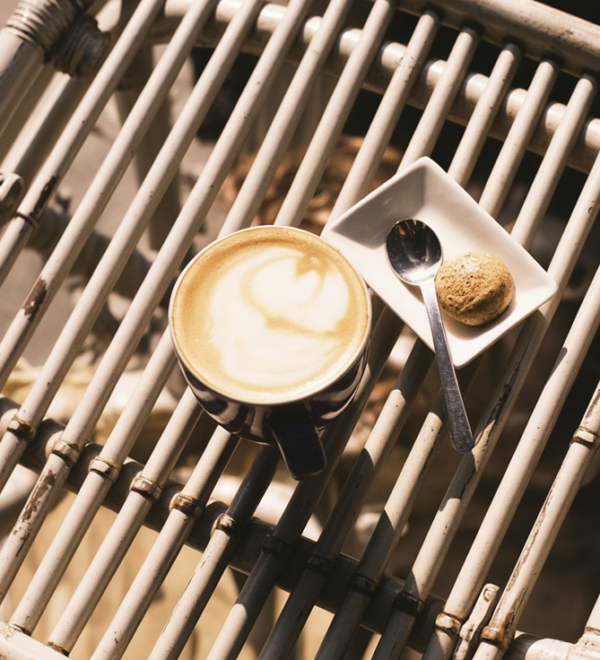
Coffee: here is the single most reliable signal of tourist pricing in Albania. At a local qaxe (Albanian café), a macchiato — the drink everyone has, everywhere, all day — costs €1 to €1.20. At a tourist terrace on the main square in Kotor, the same coffee costs €2.50. In Albanian cafés, this distinction holds everywhere. The local café is identifiable by the fact that it doesn’t have photos on the menu and the clientele is all Albanian.
Beer and drinking: a local beer (Tirana, Korca) at a local bar: €1.50–2. The same at a tourist bar: €3–4. A bottle of local wine from a supermarket: €3–5. Albania produces genuinely good wine from the Cobo and Çobo wineries (Berat region) — the Shesh i Zi is the red to know.
Supermarkets: Albi Market and Mega Image in Tirana. Very cheap by any European standard. Fresh produce, local cheese, cured meats, decent bread. Self-catering for a day’s hiking or beach costs €5–8.
•MARCUS’S PICK
For Tirana on a budget: the stretch of Rruga Mine Peza behind the Blloku, between the main strip and the park. Three or four local restaurants in a row that serve daily specials for €4–6. No tourist menus, no English spoken by default, excellent food. I’ve eaten there probably two hundred times.
Transport Costs
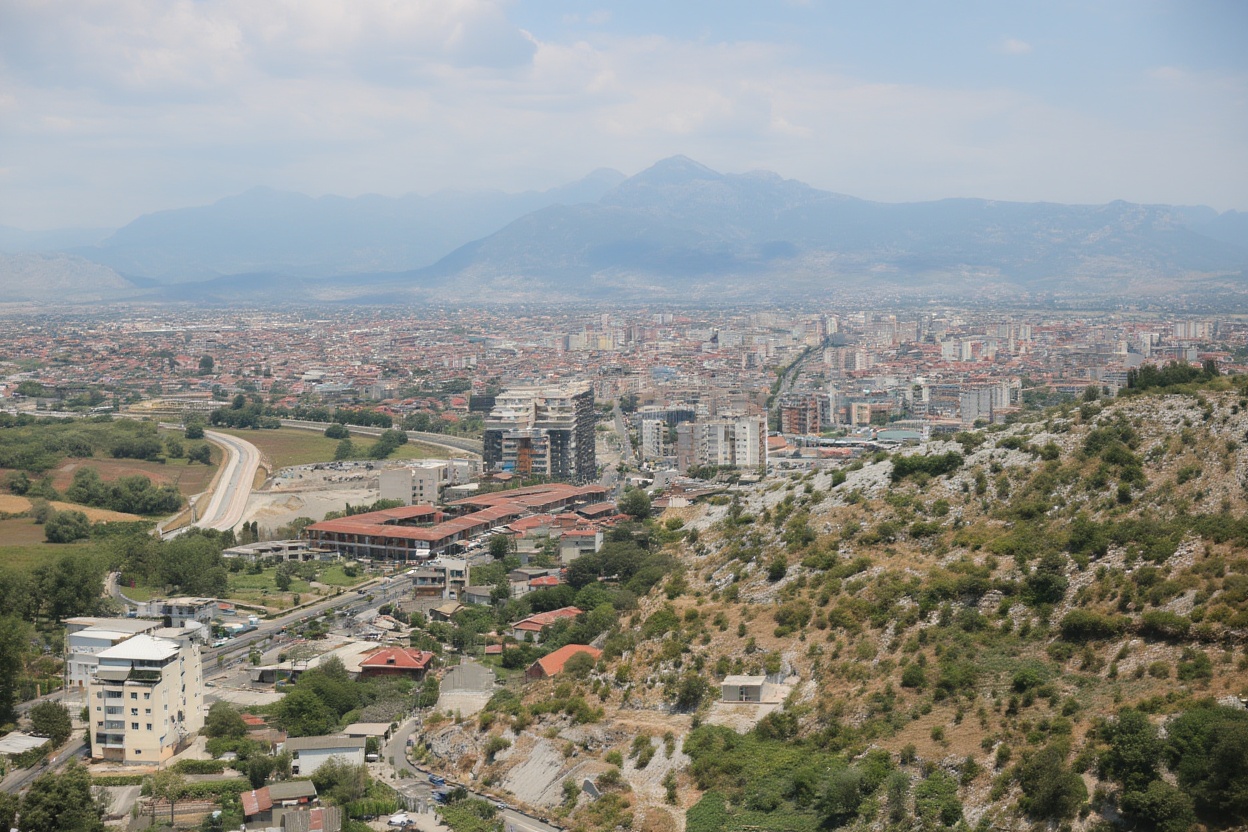
Within Tirana: Bolt (ride-hailing) covers the city and gives fixed prices. A Bolt from Tirana airport to Blloku: €8–10 (not €40 from a taxi tout inside the terminal). Within the city, a Bolt between any two points is usually €2–4. The city bus: 40 lek (~€0.40) per ride. Get a Bolt account before you land.
Furgons between cities: the furgon system — shared minibuses that leave when full from designated departure points — is how Albanians travel. Prices are low: Tirana to Shkodër: 500 ALL (~€5). Tirana to Gjirokaster: 800–1,000 ALL (~€8–10). Tirana to Sarandë: 1,000–1,200 ALL (~€10–12). The trade-off: no fixed schedule, no air conditioning in summer, and the road to Gjirokaster is four hours of mountain road.
Furgons depart from specific stations — Tirana’s main furgon station is on the east side of the city near the ring road (ask your accommodation for the current departure point, as they move). You pay when you board. The driver collects. No booking required; turn up, find the right vehicle, and leave when it fills. In practice this means arriving 15–30 minutes before a standard departure time and waiting.
Getting between coast destinations: the coast road (SH8) between Sarandë and Vlorë has limited local bus coverage. A furgon covers Sarandë to Himara (300 ALL, ~€3) and Himara to Vlorë (further furgons). Car hire makes the Riviera significantly more flexible — you can stop at beaches not served by public transport and cover the whole coast in a day.
Intercity buses: slightly more organised than furgons, slightly more expensive. Albas and other companies run scheduled services. Tirana to Sarandë by bus: 1,200–1,500 ALL (~€12–15). Worth it for the schedule certainty.
Car hire: €25–35/day from local operators (look along Rruga Durrësit in Tirana), €35–50/day from international chains at the airport. A regular car handles every main road in Albania. You only need a 4WD for specific mountain tracks (Valbona approach in wet conditions, some interior roads). Having your own car opens up the whole country — the Riviera without a car is fine; the north without a car is difficult.
Airport transfers: Rinas Airport is 30km from Tirana. Bolt: €8–12. Official taxi queue: €20–25 (negotiate before getting in). The touts approaching you in arrivals: ignore. The bus (Rinas Express): 300 ALL (~€3). Runs between airport and Tirana city centre, takes 40–50 minutes.
Paid Attractions
Albania’s paid attractions are uniformly cheap — and the best things in the country are often free.
Museums: €2–5 per person. The National History Museum in Tirana (the one with the enormous socialist realism mosaic on the front): €3. The Onufri Museum in Berat Castle: €2. The Ethnographic Museum in Gjirokaster: €2. None of these are expensive.
UNESCO sites:
– Butrint National Park: €7 per person. Genuinely excellent — a Greek, then Roman, then Byzantine, then Venetian city preserved on a peninsula in a lake. Worth the price and the 20km drive from Sarandë.
– Berat Castle: free to wander. The castle area (including the village inside it) has no entrance fee; individual museums within it charge €2–3.
– Gjirokaster Castle (includes the National Museum of Weapons): €3.
Beaches: free. All Albanian beaches are public. Sunbeds on the Riviera in peak season: €10–20/day (you don’t have to rent them; that’s the local racket for tourists). Walk past the sunbed section to where people have laid their own towels.
Komani Lake ferry: 500 ALL (~€5) per person. One of the best travel experiences in Europe for the price of a mediocre sandwich in London.
Best Value Experiences in Albania
Some things in Albania are almost embarrassingly cheap for what they are:
The drive from Tirana to Gjirokaster via the SH4: free. Four hours of mountain scenery that in Switzerland would cost you a toll, a mountain railway ticket, and your self-respect. In Albania it’s a regular road.
A night in Gjirokaster’s Old Town: €20–30 for a private room in an Ottoman tower house with a view over a UNESCO heritage town. The accommodation is genuinely extraordinary at this price.
The Osumi Canyon: free to visit, reachable by furgon from Çorovodë. A 26km canyon with blue water at the bottom that almost no tourists see because it doesn’t appear in the main guidebooks.
An evening in Blloku: the bar and café district of Tirana where Albanians go out. Buy a coffee for €1.20, sit for two hours, watch the city. Nobody rushes you.
What Catches Tourists Out
Airport taxis: the first Albanian expense many visitors pay, and often the most overcharged. Touts at Rinas Airport will quote €40–50 for a ride that costs €8–12 on Bolt. Download Bolt before you land.
Tourist restaurant pricing in Sarandë: Sarandë waterfront in July looks like the Amalfi Coast but charges Mediterranean prices. Walk 200 metres inland and pay Albanian prices. The food is the same.
‘Raki’ at tourist bars: local rakı from a guesthouse bottle costs practically nothing. Rakı served at a beach bar in Ksamil in a branded glass costs €5–8. Know the difference and choose accordingly.
Accommodation in Ksamil: the most expensive square kilometre in Albania in July. The beaches are genuinely beautiful and genuinely crowded. Book months ahead or accept that you’ll pay €80+/night. Come in September instead — empty beaches, €30/night accommodation, identical scenery.
Budget by Trip Length
Hostel in Tirana (€12/night ×2), guesthouse in Berat (€25/night ×2), furgon between (€3), local food, museums. Add flights separately.
Tirana 2 nights + Sarandë/Ksamil 4 nights (shoulder season). Transport + accommodation + food. Add 20–30% for peak summer.
Tirana + Shkodër + Valbona + Berat + Gjirokaster + Riviera. Transport intensive but each destination is cheap once you’re there.
Money Practicalities
Currency: Albanian lek (ALL). 1 EUR ≈ 100 ALL. The conversion is convenient — drop two zeros from a lek price and you have the approximate euro amount. Prices in tourist areas are sometimes quoted in euros; everywhere else, lek.
ATMs: available in Tirana and all major towns. In villages and mountain areas, carry cash — ATMs don’t exist in Valbona or Theth. The best exchange rates are from ATMs or exchange offices in Tirana city centre. Airport exchange: poor rates, long queues, avoid.
Cards: accepted in Tirana restaurants, major hotels, and supermarkets. Not accepted at furgon stations, local bakeries, most guesthouses outside Tirana, or beach kiosks. Carry 50–100 EUR worth of lek as a matter of course.
Tipping: not expected at local restaurants. At tourist-facing places in Tirana and the Riviera, 10% is increasingly normal. Round up taxi fares. Leave something for guesthouse hosts who’ve cooked for you — €2–3 per person is meaningful here.
SIM card: an Albanian SIM costs 500–1,000 ALL (€5–10) with data included. Vodafone Albania and Telekom Albania are the main operators. Buy at the airport or a phone shop in Tirana. Essential for Bolt, offline maps, and staying in contact in the mountains.
Digital Nomad Budget in Albania
Albania has become popular with remote workers, and the numbers explain why. Monthly cost of living in Tirana on a comfortable remote worker budget:
– Apartment in Blloku: €350–500/month (I pay €350 for a one-bedroom — this is the real number)
– Coworking at Impact Hub or Tumo: €80–150/month, or day passes at €8–12
– Food (mix of local and sit-down restaurants): €250–350/month
– Transport within Tirana: €30–50/month
– SIM with data: €10–15/month
Total: €750–1,100/month for comfortable independent living. You can genuinely live well in Tirana for what most people pay in rent alone in northern Europe.
Internet quality in Tirana is decent — fibre at 50–150Mbps in most central apartments. Coworking spaces are reliable. Mountain areas (Valbona, Theth) have patchy signal. EU passport holders don’t need a visa for up to 90 days; longer stays require registration and become bureaucratically complicated.
Seasonal Budget Differences
April–May and September–October (shoulder season): the best combination of price and quality. Accommodation is 30–50% cheaper than peak. The Riviera has warm water without crowds. Mountain hiking has stable weather. Mid-range daily cost: €50–65.
July–August (peak coast): the Albanian Riviera becomes one of the busiest destinations in the Mediterranean. Beach accommodation doubles. Ksamil and Dhermi are particularly expensive. Budget €70–120/day for a coast-heavy peak-season trip. Book 2–3 months ahead for August. The interior (Tirana, Berat, Gjirokaster) stays significantly cheaper and less crowded.
November–March (off-season): coast quiets significantly, many businesses close. Tirana stays lively. Prices drop 30–40% from shoulder season. Best for remote workers and travellers who want the country without the tourist infrastructure.
Sample Daily Budgets: The Real Numbers
Budget day in Tirana — €34
– Hostel dorm: €12
– Byrek breakfast at bakery: €2
– Coffee ×2 at local qaxe: €2.50
– Local restaurant lunch (tavë kosi + bread): €6
– Bolt ×2 within city: €5
– Museum (National History Museum): €3
– Local restaurant dinner: €8
– Beer at local bar: €2
– Water and snacks: €2
Mid-range day in Berat — €62
– Private room in Ottoman guesthouse: €28
– Coffee and breakfast at guesthouse: €4
– Lunch at local restaurant: €9
– Berat Castle and Onufri Museum: €5
– Afternoon walking (free): €0
– Dinner at a konispol with local wine: €18
– Evening coffee and walk: €3
– Miscellaneous: €3
Budget week: Tirana + Gjirokaster + Riviera (shoulder season) — €298 total / €43/day
– 2 nights Tirana hostel: €26
– Furgon Tirana→Gjirokaster: €9
– 2 nights Gjirokaster guesthouse: €40
– Gjirokaster Castle: €3
– Furgon Gjirokaster→Sarandë: €5
– 3 nights Sarandë/Ksamil accommodation: €75
– Food 7 days (@€14/day local restaurants + bakeries): €98
– Bolts and local transport: €20
– Butrint National Park: €7
– Misc beaches, coffee, incidentals: €15
The week above is achievable in shoulder season (June or September) with discipline. Add €80–120 for the same trip in July–August due to accommodation price increases in Ksamil.
What €50 Actually Buys You in Albania vs Western Europe
Here’s the thing that makes the Albania budget numbers meaningful: context. The comparisons matter more than the raw figures.
In London, €50 (~£43) buys you a pint in a central pub, a tube fare, and a sandwich. That’s it. You’re done for the day and you haven’t eaten dinner.
In Tirana, €50 covers: a private room in a mid-range guesthouse in Blloku for a night (€25–30), breakfast at the New Bazaar (byrek, €1.50), coffee ×2 at the local qaxe (€2.40 total), lunch at a local restaurant with the daily special (€5–7), Bunk’Art 2 entry (€4), dinner with a glass of local wine (€12–15), and a Bolt across the city (€3). You have change left over.
In Barcelona for reference, that dinner alone would be €25–35 and the museum entry would be €16.
The gap is closing — Albania was cheaper four years ago than it is today. Tirana in 2022 was noticeably more affordable than Tirana in 2026. Inflation has done what inflation does. But the relative position — Albania significantly cheaper than Southern Europe, roughly half the cost of Croatia, a third of the cost of Dubrovnik in peak season — has held.
For budget travellers specifically, Albania represents a rare combination: cheap prices and genuinely excellent experiences. The free things here are extraordinary. The Komani Lake ferry at €5 is one of the best travel experiences in Europe at any price. The Valbona–Theth hike costs nothing except the transport to get there. The heritage cities of Berat and Gjirokaster charge €3–4 for their main attractions. This is not a country where being on a budget means compromising the experience.
- How much does Albania cost per day in 2026?
- Budget travel: €30–45/day (hostel dorms at €10–15, local restaurant meals at €5–10, furgons between cities). Mid-range: €55–90/day (private rooms, sit-down restaurants, occasional taxi). The Albanian Riviera in July–August runs 30–40% higher than these figures. Cities and mountain areas (Tirana, Berat, Gjirokaster, the north) are consistently cheaper than the coast. These are 2026 prices — the 2019 “€20/day” figures no longer reflect the country.
- Is Albania cheaper than Greece or Croatia?
- Yes, significantly. A tavern meal that costs €25/person in Dubrovnik costs €8–12 in Sarandë. Accommodation that’s €150/night in Mykonos is €40–60 in Ksamil in peak season. The Albanian Adriatic coast has comparable beach quality to Croatia and significantly lower prices at every tier. The gap narrows in July–August but doesn’t close. Outside peak season, Albania is substantially cheaper than both comparators.
- What is the cheapest part of Albania to visit?
- Gjirokaster and Berat consistently offer the best value — private rooms in Ottoman tower houses for €20–30/night, meals for €5–8, and entry fees of €2–3 for UNESCO-listed sites. The north (Shkodër, Valbona) is also cheap once you’re there; the cost is in transport. Tirana is mid-range for Albania. The Riviera in peak season is the most expensive, particularly Ksamil and Dhermi in July–August.
- How do I get from Tirana airport to the city cheaply?
- Download Bolt before landing. A Bolt from Rinas Airport to Tirana centre (Blloku) costs €8–12 — a fraction of the €40–50 the touts in arrivals will quote. The Rinas Express bus (300 ALL / ~€3) runs between the airport and city centre, taking 40–50 minutes — the cheapest option if you’re not in a hurry. The taxi rank outside arrivals charges €20–25 as a negotiated rate, which is fair if Bolt isn’t available.
- How much does the Albanian Riviera cost?
- Shoulder season (June and September): accommodation €25–50/night, meals €8–15/person — excellent value. Peak season (July–August): accommodation €50–100+/night for anything near the beach, sunbed rentals €10–20/day, restaurant prices 30–50% higher. Ksamil is the most expensive beach area in peak season. Himara, Palasë, and Borsh are cheaper alternatives with comparable beaches and fewer tourists. The honest advice: go in September.
- Is Albania good for budget travellers?
- Yes — one of the better value destinations in Europe, particularly outside peak summer on the coast. The combination of cheap local food (€5–10 for a proper meal), cheap transport (€5–12 by furgon between most cities), and cheap accommodation outside the Riviera (€10–30/night) means a careful budget traveller can do Albania properly for €35–40/day. The free attractions — beaches, mountain hiking, walking around UNESCO heritage towns — are also genuinely excellent.