Last updated: June 2026 — prices and opening times verified June 2026.
I’ll be straight with you: I didn’t expect to love Tirana.
I came in April 2022 for six weeks, almost entirely because of a Reddit thread about cheap rent. Flew in expecting a grim post-communist city I’d use as a base for the mountains and then leave. That was four years ago. I’m still here, in a flat in Blloku, with a regular table at Besnik’s qaxe (say: CHA-zeh — café) on Rruga Sami Frashëri.
Tirana surprised me. It’ll probably surprise you too.
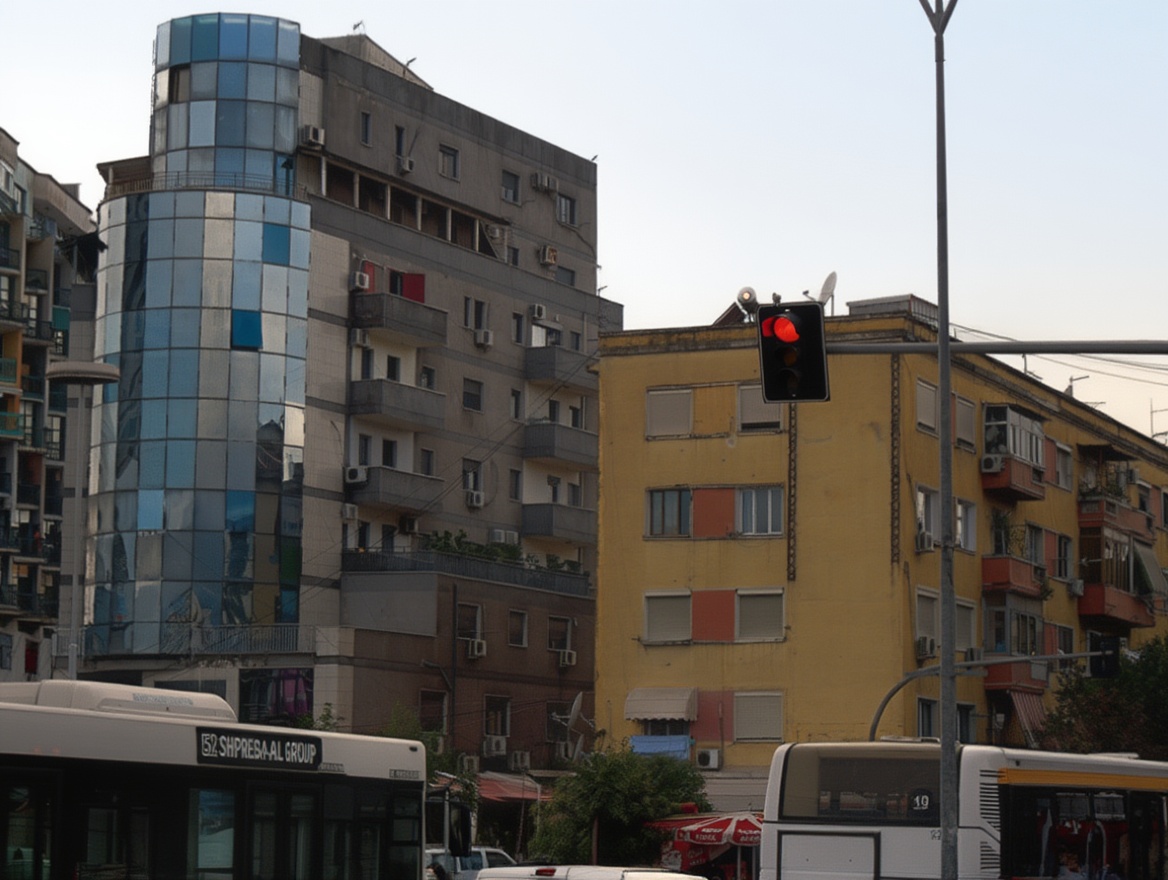
It’s not a museum city. It doesn’t have a cathedral or a UNESCO old town or a river walk that photographs well. What it has is an energy that’s hard to describe until you’ve sat in the Blloku district at 9am with a macchiato — which costs 80 ALL (about €0.75 / ~£0.65) and comes without the option of a flat white — watching half of Albania’s professional class start their morning.
Here’s what’s actually worth your time.
Start Here: The Communist History Cluster
Tirana’s best two hours are underground.
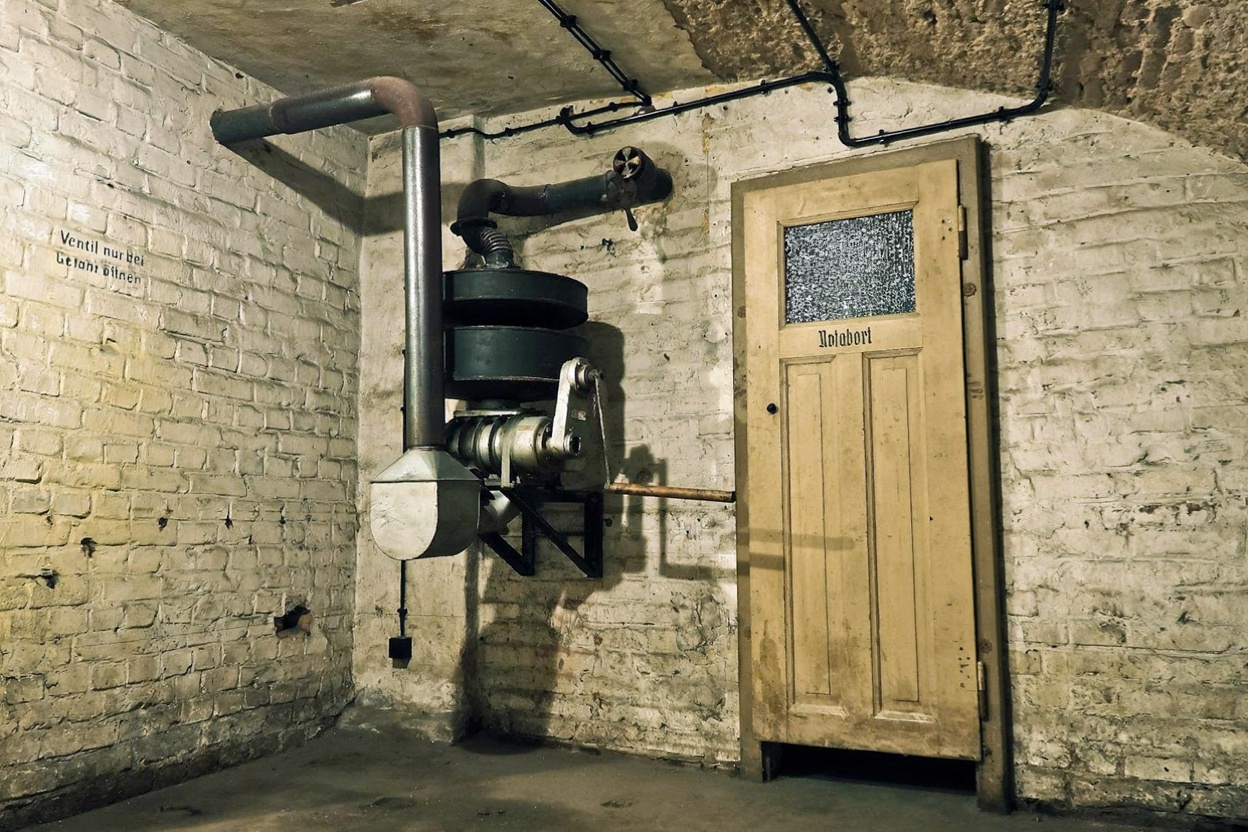
Do Bunk’Art 2 first, not Bunk’Art 1. Most visitors do it the wrong way round, including me. Bunk’Art 1 requires a taxi up to the Dajti Mountain area and sits at the end of a long drive — impressive, yes, but logistically annoying on day one. Bunk’Art 2 is right in the city centre, underneath what was the Ministry of Internal Affairs, and it’s better.
It’s a network of tunnels and rooms that served as the government’s nuclear shelter during the Cold War. The rooms are intact. The propaganda posters are still on the walls. There are exhibits on Enver Hoxha’s regime, the surveillance state, the political prisoners, and the 700,000 bunkers built across Albania during the Hoxha years — one for every four people in the country at the time.
Budget 90 minutes. Entry is €4 (~432 ALL / ~£3.40). Opens 10am Tuesday–Sunday.
⚠Real Talk
Don’t confuse Bunk’Art 2 (city centre, Ministry of Interior) with Bunk’Art 1 (Dajti Mountain). They’re both good. Bunk’Art 2 is better if you’re time-pressed. Bunk’Art 1 is better if you have a full day and want the full scope of Hoxha’s paranoia — it’s a 106-room nuclear bunker. Do Bunk’Art 2 in the morning, Bunk’Art 1 another day.
Next door, in a sense, is the House of Leaves — formally the Museum of Secret Surveillance. This was the headquarters of the Sigurimi, Albania’s secret police. The name comes from the leaves carved into its facade, which the secret police used as cover for the surveillance equipment inside.
It is one of the most unsettling museums I’ve been to in Europe. Not in a gimmicky way — in a genuinely quiet, considered way. There are actual wiretapping devices. There are files. There are photographs of the people who were watched, arrested, or killed. Entry is €6 (~648 ALL / ~£5.10). Opens 10am Tuesday–Saturday. Budget 90 minutes here too.
•MARCUS’S PICK
Go to the House of Leaves before you go to Bunk’Art if you’re doing both in one day. The emotional weight of the House of Leaves lands harder when you haven’t already been underground for 90 minutes. Save Bunk’Art 2 for the afternoon.
The Pyramid of Tirana: Free, Weird, Worth It
The Pyramid is one of the most Albanian things in Albania.
It was built in 1988 as the Enver Hoxha Museum. Then it became NATO headquarters during the Kosovo War. Then it was abandoned for 20 years, used as a rave venue, a nightclub, and a graffiti canvas. Then it was renovated into the TUMO Center for Creative Technologies, which is a youth education centre. The communist marble exterior remains. The triangular shape remains. You can still climb the outside.
Climbing the Pyramid is free and open 24/7. You walk up the sides, which are sloped at an angle you wouldn’t expect a building to be, and sit at the top. The views over central Tirana aren’t spectacular — it’s not that tall — but the experience of standing on the outside of a building that used to be the dictator’s mausoleum is.
Thirty minutes. Free. Don’t miss it.
Skanderbeg Square and What’s Around It
Skanderbeg Square is the main square. It’s big — genuinely large, bigger than most European capitals have a right to — and it’s flanked by the National History Museum on one side and the Et’hem Bey Mosque on another.
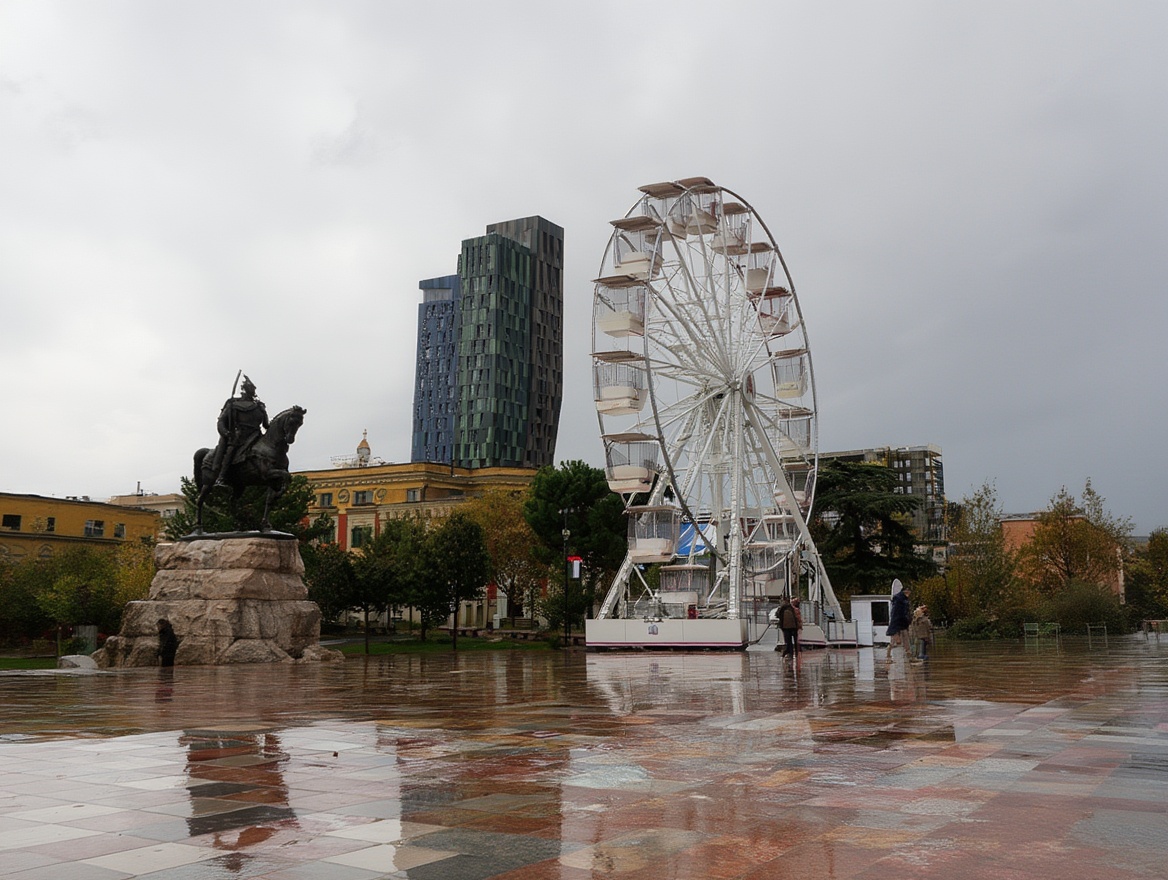
The square itself is fine. Walk across it, look at the Skanderbeg equestrian statue, note the coloured buildings. You’ve done it in fifteen minutes. What’s worth more time is what’s around it.
The National History Museum has a famous mosaic on its facade — this is the photograph everyone takes. Inside, it covers Albanian history from antiquity through the communist period. Entry is €6 (~648 ALL / ~£5.10). Honest take: it’s comprehensive but the displays feel dated in places. Go for the mosaic and the communist-era section. If you’ve already done Bunk’Art 2, you can comfortably skip the Interior Ministry section here.
The National Art Gallery, a short walk from the square, is significantly underrated. It has one of the better collections of socialist realist painting I’ve seen — which sounds like a low bar but is actually genuinely interesting if you let it be. Entry is €2.50 (~270 ALL / ~£2.10). Not busy. Never crowded. Good for an hour on a quiet afternoon.
The Clock Tower is directly behind Et’hem Bey Mosque. It’s Ottoman-era, slim, and the view from the top over central Tirana is worth the €1.60 (~173 ALL / ~£1.40) ticket. Most visitors overlook it.
Blloku: Where Tirana Actually Lives
Blloku (say: BLOH-koo) was, during the communist period, a gated neighbourhood reserved exclusively for the top tier of the Albanian Communist Party. Nobody else was allowed in. Families who had lived there for generations were moved out when the party wanted their street.
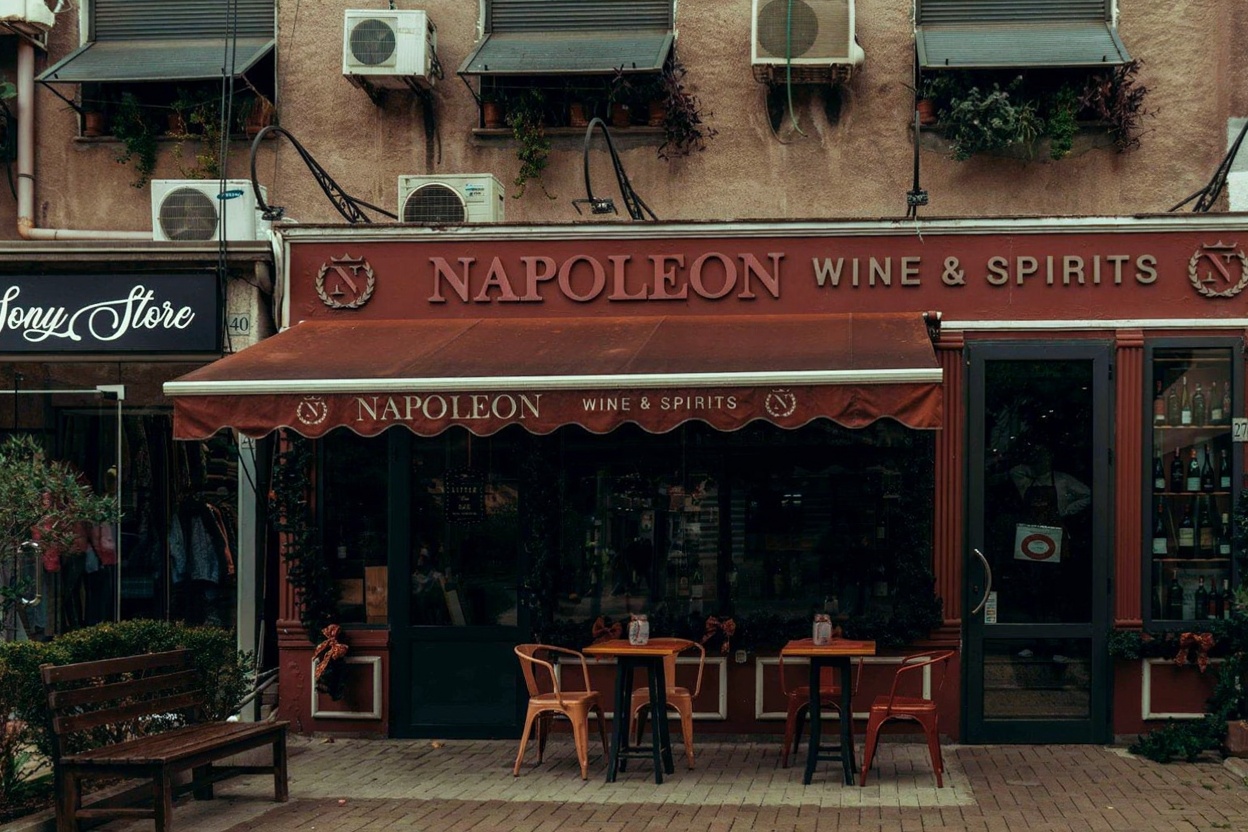
Now it’s Tirana’s café and bar district, and it’s excellent.
I live here. Not because I’m making a statement about it — because it’s the best part of the city for daily life. There are about forty cafés within a ten-minute walk of my flat, ranging from traditional qaxe serving macchiatos for 80 ALL to specialty places with oat milk options and a playlist that would work in Shoreditch. There are restaurants for every budget. There are bars that open at 9pm and are still going at 4am.
Come here for breakfast. Come here for a coffee mid-afternoon. Come here for dinner. Walk the streets between Rruga Pjetër Bogdani and Rruga Ismail Qemali and let the neighbourhood show you what Tirana actually looks like when it’s not performing for tourists.
My regular table is at Besnik’s place on Rruga Sami Frashëri. No English menu, cash only, the macchiato is 80 ALL (~€0.75), and Besnik has been making it the same way for fifteen years. I found it by accident in 2022 and I’ve been going back three times a week ever since. That’s Albania.
The New Bazaar (Pazari i Ri)
The Pazari i Ri (say: pa-ZA-ree EE REE — New Bazaar) is the city’s renovated market, and it’s one of the better urban renovations I’ve seen done in the Balkans.
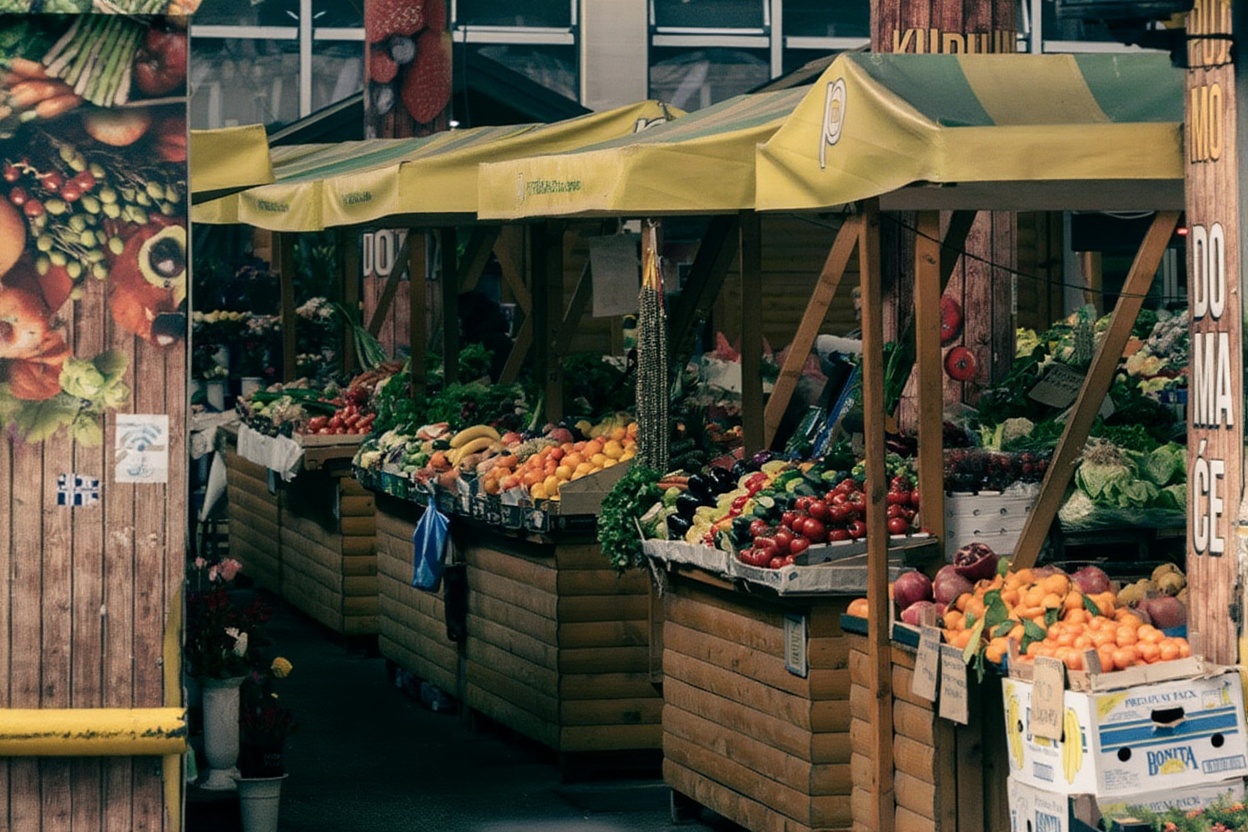
It’s not a tourist market. There are stalls selling fresh produce — tomatoes, peppers, cucumbers, bundles of dried herbs — alongside permanent stalls with byrek (say: BEE-rek — layered pastry with feta or spinach), olive oil, pickled vegetables, and local honey. There are restaurants and bars on the upper level that get busy in the evenings.
A byrek here costs around 150–250 ALL (~€1.40–€2.30 / ~£1.20–£1.95) depending on size and filling. The feta and egg version is what you want. Eat it standing up, straight from the oven, off the paper it comes wrapped in. This is not a restaurant meal. It’s a Tirana morning.
Come Saturday morning if you can. The market is at its busiest and most alive then. Come Tuesday and it’s quieter but still worth it.
↗Insider Tip
Walk through the New Bazaar, then cut south towards Rruga Murat Toptani near Tirana Castle. This pedestrian street is one of the better-kept secrets in the city — lined with cafés, often with street musicians, and far less hectic than the main square area. The castle itself is unremarkable, but the walk there is good.
Dajti Express: Up the Mountain
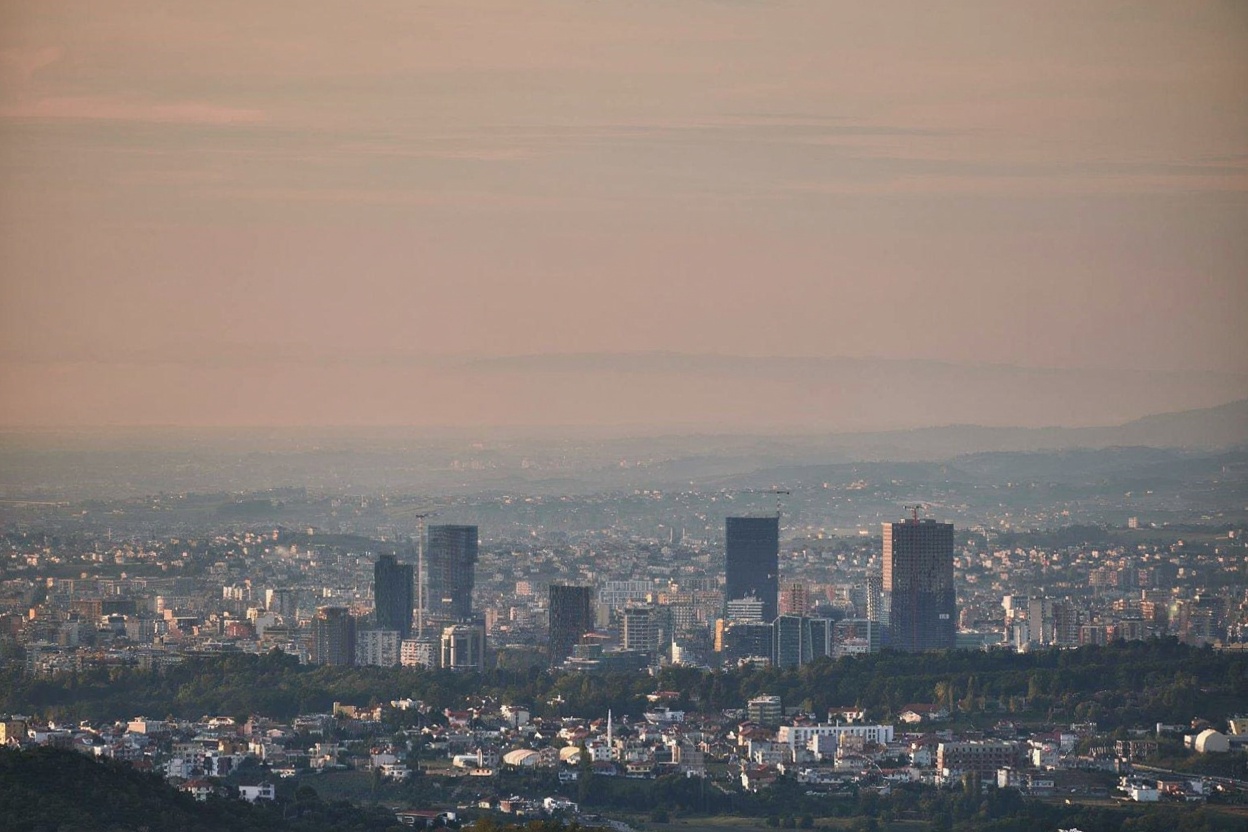
The Dajti Ekspres is the cable car that goes from the eastern edge of the city up to Dajti Mountain — 1,613 metres above sea level, with views back over Tirana and, on a clear day, all the way to the coast.
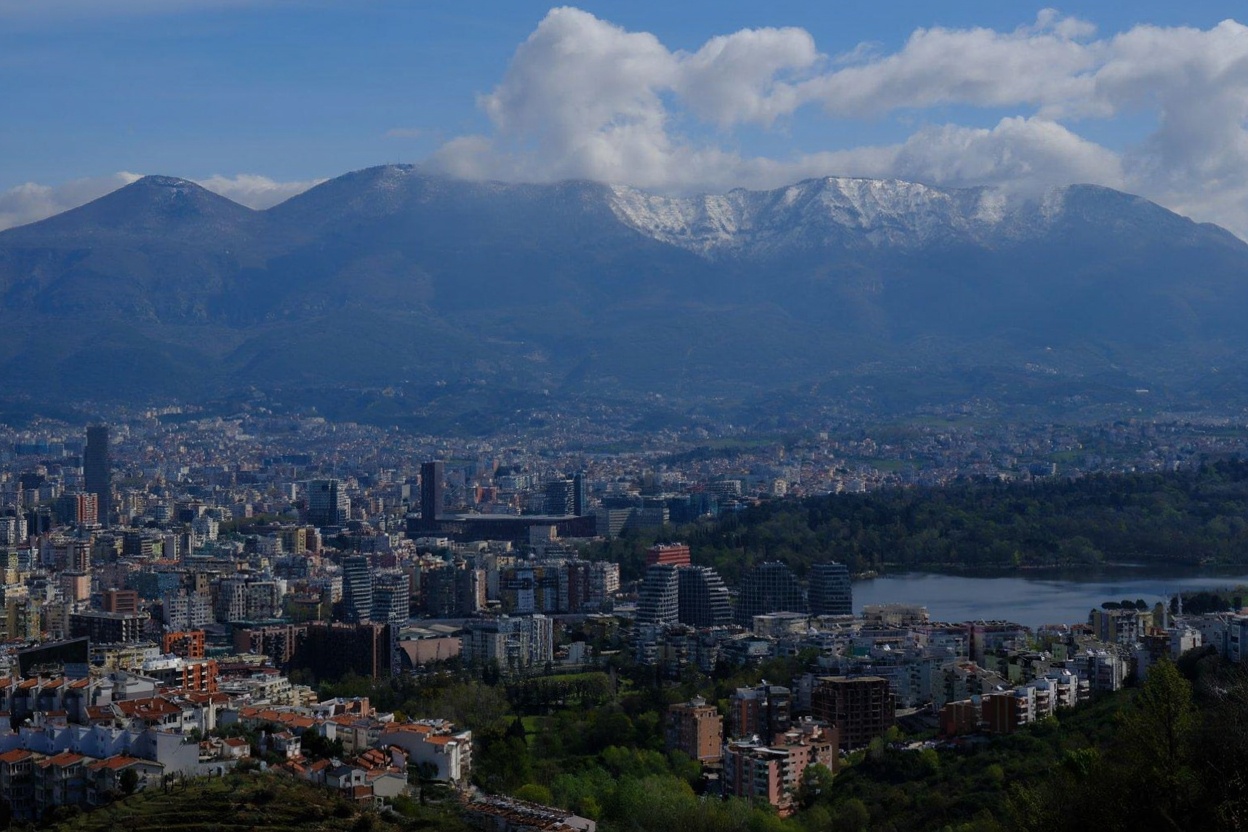
The ride takes around 15 minutes. The return ticket is €8 (~864 ALL / ~£6.80). At the top there’s a restaurant, walking trails, and a viewpoint. It’s busiest at weekends. Go on a weekday morning if you can — the views are clearest before midday and you’ll have the cable car almost to yourself.
Worth noting: Bunk’Art 1 is up here, near the Dajti Mountain area. If you’re going to make the trip up, combine it with Bunk’Art 1 and make a half-day of it. You’ll need a taxi to get from the cable car top station to Bunk’Art 1 — it’s not walkable.
What I Got Wrong (The Confession)
My first week in Tirana, I went to the National History Museum twice. I thought it was the best thing in the city — the mosaic facade, the breadth of the collection, the sheer scale of the Albanian history it covers.
Then a friend who’d lived in Tirana for two years took me to Bunk’Art 2 and House of Leaves in the same afternoon.
The History Museum is fine. Bunk’Art 2 and House of Leaves are unforgettable. I spent too long in the wrong place in week one because I went in order of what appeared at the top of a Google search. Don’t do that. Go underground first.
What to Skip (Or Manage Your Expectations)
Tirana Castle is not what the name implies. It’s a small archaeological site with some restored Ottoman-era walls. Worth ten minutes if you’re walking past. Not worth going out of your way for.
Mount Dajti Restaurant at the top of the cable car is expensive relative to the city below and the food is unremarkable. Eat in Blloku before you go up. Have a coffee at the top for the view and come back down.
The artificial lake and Grand Park are pleasant for an evening walk but not a destination. Go if you want to see Tirana locals using a green space. Don’t go if you’re in the city for two days — there are better uses of your time.
Where to Eat in Tirana (The Short Version)
I’ve written a full guide to Albanian food if you want to know what to order and why. The short version for Tirana:
Byrek from the New Bazaar — 150–250 ALL, eat it standing up. Non-negotiable.
Qaxe macchiato in Blloku — 80–100 ALL. Order a macchiato (ma-kya-TO). Don’t ask for oat milk on your first day. Earn it.
Sit-down meal in Blloku — €8–15 per person covers a proper meal with a glass of local wine. Taverna Jon on Rruga Pjetër Bogdani is consistently good [VERIFY: still open June 2026]. Çka Ka Qëlluar (say: CHKA KA CHUH-loo-ar — literally “What’s Available”) near the Pyramid is the honest unpretentious choice — the menu depends on what was in the market that morning.
Getting Around Tirana
The centre is walkable. Bunk’Art 2, House of Leaves, Skanderbeg Square, the Pyramid, the New Bazaar, and Blloku form a rough loop that you can walk in a day with time between stops.
The walk from Skanderbeg Square to Blloku takes about 15 minutes at a comfortable pace. From Blloku to the New Bazaar is another 10. You do not need public transport for anything in the central area — save your legs for the Dajti cable car.
For Dajti Mountain and Bunk’Art 1, you need a taxi or a rented car. Taxis from the centre to the Dajti Ekspres base station cost around 500–700 ALL (~€4.60–€6.50 / ~£3.90–£5.50). Agree the price before you get in. The first price you’re quoted will not be the right price.
From the airport to the city centre: the official taxi rank charges a fixed €25. It’s legitimate. The touts who approach you before the taxi rank will quote €15 and charge €40. Go to the official rank.
ℹKnow Before You Go
Albania runs on cash more than you’d expect. The ATMs in Tirana (BKT and Raiffeisen) charge minimal or no fees for international cards. Draw money when you arrive — not at the airport, where the rates are worse, but at a city-centre ATM within your first hour.
Two Days in Tirana: How to Structure It
Day 1 (history focus): House of Leaves (morning) → Bunk’Art 2 (late morning) → Pyramid (noon, 30 min) → lunch in New Bazaar → National Art Gallery → Blloku in the evening.
Day 2 (wider city): Skanderbeg Square and Clock Tower (morning) → Dajti Ekspres cable car up the mountain + Bunk’Art 1 (full morning into afternoon) → back to Blloku for dinner.
Add a third day and you can do a day trip: Berat is 1.5 hours by bus or car. Kruja is 40 minutes. Durrës is 35 minutes. All worth doing.
Day Trips from Tirana: What’s Within Reach
If you have a third day in Tirana, the day trip options are genuinely good and short enough that you’re back in Blloku for dinner.
Berat (120km, 2 hours by bus): The City of a Thousand Windows — Ottoman houses terraced up a riverside hill, a castle still inhabited, the Onufri Museum inside it. The bus from Tirana’s Fier Terminal (not the main terminal — ask your accommodation which terminal) leaves regularly from 7am. Cost: 400 ALL (~€3.70). Go early, spend the morning in the castle and Mangalem quarter, have lunch by the Osum River, return in the late afternoon. Full Berat guide here.
Krujë (30km north, 40 minutes): The fortress town of Skanderbeg — Albania’s national hero, whose resistance against the Ottomans in the 15th century is the closest thing Albania has to a founding myth. The castle complex has a well-done museum covering Skanderbeg’s campaigns, and the bazaar below sells hand-woven textiles and copper goods that are the genuine article rather than mass-produced imports. Minibuses run from behind the Tirana bus station. Cost: 200–250 ALL (~€1.85–2.30). A half-day is enough; combine it with a Tirana morning.
Durrës (38km west, 35 minutes by bus or train): Albania’s main port city and the site of a Roman amphitheatre that’s about as un-curated as Roman ruins get — discovered while digging a basement in the 1960s, partly incorporated into the surrounding buildings, accessible without an admission fee if you catch it at the right angle. The Durrës Archaeological Museum has Roman artefacts at €2 entry. The beach at Durrës is Albania’s most popular and in August is extremely crowded — worth visiting in May or September when it settles down. Bus from Tirana’s West Bus Terminal: 200 ALL (~€1.85), 40 minutes. Train also runs — 150 ALL, about 1 hour, more scenic.
Conclusion
Tirana is not the Albanian highlight. The mountains are. The coast is. The Ottoman cities are. But Tirana is where you land, where you acclimatise, and where — if you give it two proper days rather than treating it as a transit stop — you understand why people who come to check it out end up staying considerably longer than planned.
I know because I’m one of them.
Questions? Drop them below. I’m usually online in the evenings Tirana time, which is CET.
How many days do you need in Tirana?
Two full days is right for most visitors. Day one covers the communist history sites (Bunk’Art 2, House of Leaves, Pyramid) and the New Bazaar. Day two covers Skanderbeg Square, the cable car up to Dajti Mountain, and the broader city. Add a third day if you want a day trip to Berat or Kruja — both are easily done from Tirana.
Is Tirana worth visiting?
Yes, but with the right expectation. It’s not a classic European capital with a cathedral quarter and a riverside walk. It’s a fast-changing post-communist city with a genuinely good café culture, excellent communist-era history sites, and an energy that’s hard to pin down until you’re in it. Give it two days and you’ll have an opinion. Give it less and you’ll miss the point.
What is Blloku district like?
Blloku is Tirana’s café and bar district — the area reserved exclusively for Communist Party leadership until 1991 and now the most liveable part of the city. It’s where most of Tirana’s professionals have their first macchiato of the morning and their last glass of local wine in the evening. Concentrated along Rruga Pjetër Bogdani and Rruga Ismail Qemali. Walk it rather than targeting specific places — the neighbourhood is the point.
What is the best thing to do in Tirana?
Bunk’Art 2 or the House of Leaves — do one in the morning, the other in the afternoon. These two museums cover the communist period in a way that makes the rest of Tirana make sense. Everything else — the Pyramid, the New Bazaar, Blloku — lands differently once you’ve been underground and seen what the city was like before 1991. Start there.
Is Tirana safe?
Yes. Tirana is a straightforward city to navigate safely. The main practical warning is taxis from the airport: the touts will overcharge significantly — go to the official rank (fixed rate €25). In the city centre, agree taxi prices before you get in. Standard city-travel awareness applies, but Tirana is not a high-crime destination by European standards.
What’s the best area to stay in Tirana?
Blloku, without much hesitation. You’re 15–20 minutes walk from every major sight, surrounded by the best cafés in the city, and in the neighbourhood where actual Tirana life happens. The area around Skanderbeg Square is more central on paper but noisier and less interesting for an extended stay. If budget is the priority, there are cheaper options near the bus stations — fine for one night, less ideal for two days.
