Last updated: June 2026 — safety information verified June 2026.
Albania is safe to visit. Violent crime against tourists is genuinely rare, and the vast majority of people who come here leave surprised by how relaxed it actually felt. The US State Department Level 2 rating sounds alarming if you don’t know what it means — it’s not a crime warning, it’s a flag for the Balkans context and some organised crime in specific areas that has nothing to do with tourists. The practical risks are a taxi driver at Rinas who’ll try it on if you don’t know the price, roads that require your full attention, and your phone on the beach at Ksamil in August. That’s it.
I’ve lived in Tirana for four years. My flat is in Blloku — €350/month when I got here, more now. I walk home from bars at 1am. I leave my laptop at Besnik’s café when I nip to the bathroom. I’ve been to every corner of this country, including places where the road surface was more suggestion than fact.
I haven’t been in trouble once.
But people ask this question constantly, and the honest answer is more useful than a wave of the hand. So here’s what you actually need to know.
The Safety Picture — By the Numbers
Albania is not the Albania of 1997. The country that imploded in a pyramid scheme collapse, lost weapons from army depots, and briefly descended into civil conflict is not the country you’re visiting in 2026. That was nearly 30 years ago.
The current situation:
– US State Department: Level 2 (Exercise Increased Caution). The US gives this rating to dozens of countries including Colombia, Kenya, and large parts of the EU Balkans. It does not mean high street crime.
– UK FCO: No specific travel warnings for Albania. Standard precautions. The FCDO advises awareness of petty crime in tourist areas — the same advice it gives for Spain.
– Crime against tourists: Rare. The serious crime that does exist in Albania — organized crime, drug trafficking networks — is entirely self-contained and targets specific individuals, not foreign visitors browsing Berat.
⚠Real Talk
The Albanian organised crime reputation is real but irrelevant to your trip. Yes, Albanian criminal networks operate internationally. Yes, there are occasionally inter-clan disputes in the country. None of this touches tourists. The risk to a British couple in a gjirokaster guesthouse is statistically zero. You’re not the target. You never were.
The Rinas Airport Taxi Problem
This is the most reliable way to lose money in Albania, and it happens within twenty minutes of landing.
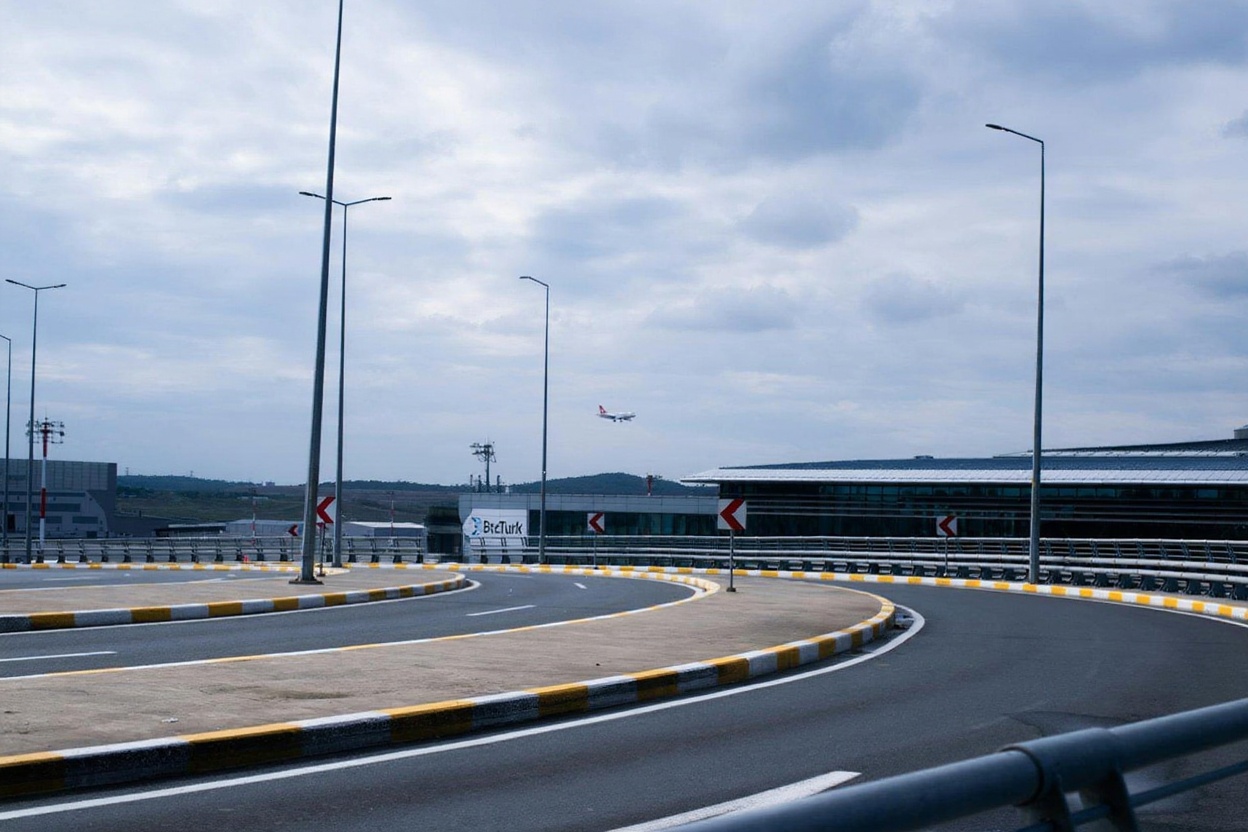
You walk out of arrivals at Rinas Airport (TIA), 30km north of Tirana. A man — sometimes in a high-vis, sometimes just in a jacket — offers a taxi to Tirana. The price: €30, €40, €50. It sounds plausible if you don’t know better. The actual reasonable price for a licensed taxi from Rinas to Tirana centre is €20–25.
What to do:
– Bolt works from Rinas. Download the app before you land, book from the arrivals hall, walk to the designated pickup area outside. A Bolt from Rinas to central Tirana is typically 1,800–2,200 ALL (~€16–20).
– Official taxi rank: outside arrivals, clearly signed. Licensed taxis. Agree the price before the bags go in. Anything over €25 to central Tirana, walk away.
– DO NOT take a taxi from a person who approaches you inside arrivals. They found you — that’s not how licensed taxis work.
I paid €40 to a tout in my first week. The driver was perfectly affable. I was an idiot. Now you know.
Road Safety — the Actual Serious Risk
Here’s the honest one: driving in Albania requires full attention at all times.
Albanian drivers are assertive. Overtaking on blind bends is normal. Lane markings are considered advisory. Mountain roads — particularly in the north, around Valbona and Theth, and in the interior around the Llogara Pass — are narrow, steep, and occasionally shared with lorries coming the other way.
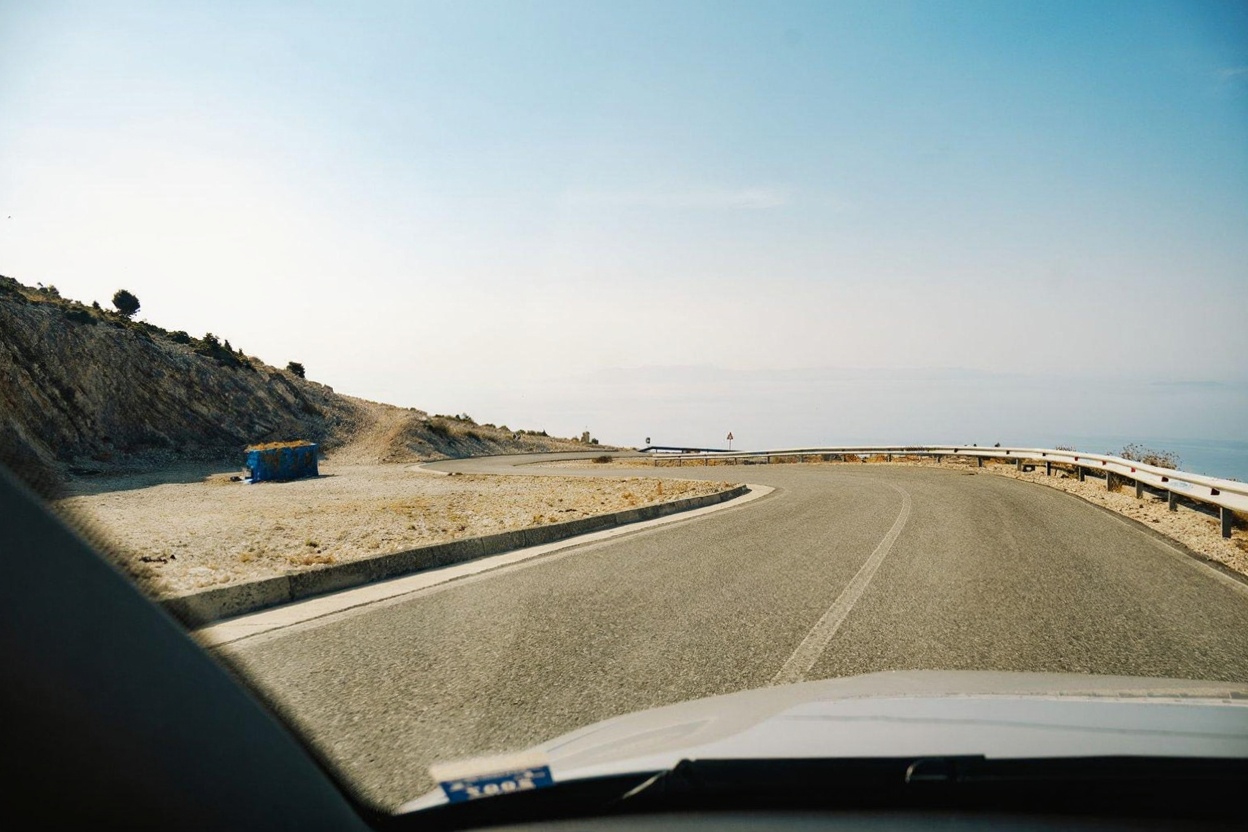
Albania’s road traffic accident rate is one of the higher ones in Europe. This is the number one reason to exercise real caution — not because someone’s going to rob you, but because the road from Saranda to Gjirokaster involves a lorry on the wrong side of a hairpin.
What to do:
– Rent a car only if you’re comfortable with mountain driving. If your experience is motorway driving in England, the road to Theth will be a bad time. If you’ve driven in southern Italy or Greece, you’ll be fine.
– Drive during daylight. Mountain roads after dark are genuinely difficult — animals, potholes, oncoming headlights on blind bends.
– The furgon/minibus is often the safer option for northern routes. Let a local driver do the mountain sections.
– In Tirana: the traffic is chaotic, parking is creative, and the pedestrian crossing lights are widely treated as suggestions. Walk like you can see everything. You usually can.
Petty Theft: Where and When
Albania’s petty theft problem is mild and highly seasonal.
Tirana: minimal. Pickpocketing exists in the Pazari i Ri (New Bazaar) — the busy market area — in peak summer. Keep your phone in a front pocket in the market. That’s the level of vigilance required. Blloku, where most visitors spend their time, is fine at any hour.
Albanian Riviera (Ksamil, Himara, Dhërmι) in July–August: standard beach vigilance. Don’t leave your phone face-up on a towel while you swim. Don’t leave your wallet in an unattended bag. This is the same advice for Mykonos or the Costa Brava — not a specific Albania problem, just a busy beach problem.
Gjirokaster, Berat, Shkodër: virtually nothing. These are smaller cities with low tourist-crime rates. I’ve left a bag unattended at a café in Gjirokaster while I went to look at something. It was there when I came back.
The Blood Feud Question
People ask about this. The honest answer: blood feuds (gjakmarrja) are a real feature of traditional Albanian culture in specific areas, governed by the Kanun — a medieval code of conduct. They are also almost entirely irrelevant to tourists.
Blood feuds are inter-family disputes that can span generations. They operate in very specific communities, primarily in the mountainous north — parts of Shkodër county, Dukagjin. They are not random. They target specific individuals in specific families. A British tourist is not part of any blood feud.
The number of blood feud-related deaths has fallen significantly over the past 20 years as the Albanian state has strengthened. It remains a social issue — researchers and journalists track it — but “will I be caught in a blood feud on my trip to Theth” is not a realistic question. You won’t.
•MARCUS’S PICK
If you’re going to the north — Theth, Valbona, the Accursed Mountains — go. It’s extraordinary. The culture in these villages is more hospitable than almost anywhere I’ve been in Europe. The guesthouses are run by families who take proper pride in feeding you. The only thing to take seriously is the mountain roads.
Solo Female Travel in Albania
Albania is, generally, safe for solo female travellers — and more so than the reputation suggests.
What to know: Albania is socially conservative in some areas, particularly outside Tirana and the coast. It’s a largely Muslim country by tradition (though practice varies enormously) and family-oriented. This sometimes translates into more attention for solo women in smaller towns — stares, occasional comments — but rarely into anything threatening.
Tirana and the tourist circuit (Gjirokaster, Berat, Ksamil, Sazan) are comfortable. Multiple women do solo Albania trips without incident every season and report generally positive experiences.
Specific notes:
– Tirana nightlife (Blloku bars, Sky Club, the terraces on Rruga Myslym Shyri) is fine. Normal awareness applies.
– The Riviera beaches are normal beach environments — sunbathing in a bikini is standard, nobody bothers you.
– Mountain villages (Theth, Valbona): conservative but extremely hospitable. Solo female travellers report feeling looked after rather than threatened. The guesthouses are family-run.
– Buses and furgons: book direct from the terminal, not from touts outside. Sit near the front.
Scams Worth Knowing
Albania doesn’t have an elaborate scam economy. The things that catch people:
Taxis at tourist sites. The unofficial taxi outside Berat Castle, outside the Gjirokaster bazaar, outside the ferry terminal at Sarandë — these will quote high prices to people who haven’t set expectations. The fix: know the rough price in advance or use Bolt where it’s available (Tirana, Durrës, Sarandë have decent coverage).
Restaurant menus in tourist-heavy spots. Some places in old Gjirokaster and the Riviera have menus with tourist prices rather than local prices. Not a scam exactly — more like normal tourist economics. The fix: walk 100 metres off the main drag and the prices drop immediately. Besnik would agree.
The “free tour” with a tip expectation. Berat and Gjirokaster have unofficial guides who offer tours, sometimes without mentioning payment upfront. Agree the price at the start.
Currency exchange at airports. The rate at Rinas is poor. Exchange in Tirana — the exchange offices along Rruga Dëshmorët e Kombit generally offer the best rates. 1 EUR ≈ 100 ALL at time of writing; airport typically offers 90–93.
My Honest Assessment
Albania is one of the more comfortable countries in the Balkans for independent travel. The people are — and I say this after four years — genuinely hospitable in a way that isn’t performed for tourists. The crime risk is low. The scam ecosystem is mild.
The things to actually watch: airport taxi (Bolt), mountain roads (slow down, daylight only), beach petty theft in peak season (front pocket). That’s the list.
If you’ve been to the Balkans — Croatia, Montenegro, Greece — you’ll find Albania presents no additional challenge. If you’ve been to northern Africa or the Middle East, you’ll find it easy. If this is your first independent trip, stick to Tirana and Berat first, where the tourist infrastructure is established and the English is good.
Albania doesn’t need your fear. It does need your attention. Not the same thing.
Questions in the comments. I check most days.
Practical Safety: What to Actually Do, Day by Day
Rather than abstract risk categories, here’s what being sensible in Albania actually looks like in practice.
At Rinas Airport: Walk straight past anyone who approaches you in arrivals offering a taxi. Don’t slow down. Don’t engage. Go to the official taxi rank outside (fixed rates, properly signed) or open Bolt on your phone before you exit the terminal. The walk from arrivals to the official rank is about 90 seconds. Those 90 seconds are worth taking.
On the roads: If you’re driving, assume every bend has a vehicle coming the other way on your side. This is not paranoia — it describes Albanian mountain road driving accurately. Drive below the speed limit on any road you don’t know. Use your horn on blind bends before the other driver has to. This is how Albanian drivers communicate; it works.
In Tirana at night: Walk freely. The city is lit, the streets are populated until late, and Blloku specifically has the kind of late-night café energy that means there are always people around. Normal awareness — don’t flash expensive equipment, be aware in crowded market areas during the day — is all that’s required. The Pazari i Ri (New Bazaar) in peak summer gets pickpockets; front pocket for the phone.
On the Riviera: Don’t leave your bag unattended on the beach when you swim. This is identical advice to every Mediterranean beach in existence. Ksamil in August, specifically, is busy enough that opportunistic theft from unattended bags happens. Everything else about the coast is fine.
In mountain villages: Be relaxed. The villages in the north — Theth, Valbona, along the Accursed Mountains trail — are genuinely hospitable. The guesthouse families take pride in their hospitality. There is no threat. The only real concern is the terrain: mountain weather changes fast, tell your guesthouse where you’re going and when you expect to return.
Documents: Keep a photo of your passport on your phone. Albania doesn’t generally require you to carry your original, but having it accessible in a readable format saves time if you encounter a police checkpoint on mountain roads. These do happen — routine, brief, looking for uninsured vehicles, nothing to do with you.
What to Do in an Emergency in Albania
Albania has emergency services, but the capacity varies significantly by location. Knowing this in advance is worth the two minutes it takes.
Emergency numbers:
– 112 — the EU-standard emergency number. Works in Albania and connects to police, ambulance, or fire.
– 129 — police
– 127 — ambulance
– 128 — fire service
– 126 — mountain rescue (Shërbimi i Urgjencës Malore) — relevant if you’re hiking in the Accursed Mountains or the Valbona area
Hospitals: Tirana has the University Hospital Centre (QSUT) — the main public hospital, overwhelmed and under-resourced, but functional. For private care in Tirana, the American Hospital Tirana (Rruga Sulejman Delvina) and Hygeia Hospital Tirana are the established private options with English-speaking staff. Outside Tirana: Shkodër has a regional hospital covering the north. Gjirokaster has a regional hospital. For the south, Saranda has a basic health centre — anything serious means getting to Gjirokaster or back to Tirana.
Travel insurance: Albania is not an EU member state. The European Health Insurance Card (EHIC) and Global Health Insurance Card (GHIC) do not apply in Albania. Private medical care without insurance is expensive. A trip to a private hospital in Tirana for a serious issue can cost thousands of euros without coverage. Get comprehensive travel insurance that includes medical evacuation — this is not optional here.
UK Embassy: The British Embassy in Albania is at Rruga Skënderbej 12, Tirana. +355 4 223 4973. Available for emergency consular assistance, passport issues, and serious incidents. The US Embassy is at Rruga Elbasanit 103, Tirana.
Before you go into the mountains: If you’re doing the Valbona–Theth hike or anything in the Accursed Mountains, tell your guesthouse your planned route and expected return time. The mountain rescue service exists but is limited — prevention is the only sensible strategy in remote terrain.
Safety for LGBTQ+ Travellers in Albania
Albania presents a mixed picture for LGBTQ+ travellers, and honest is more useful than either alarm or dismissal.
The legal situation: Same-sex relationships are legal in Albania and have been since 1995. Anti-discrimination legislation exists, covering employment and some public services. Albania has had a Tirana Pride since 2012 — small but consistent, with police protection. The legal framework is ahead of what you might expect from a predominantly Muslim country in the Balkans.
The social reality: Albania is socially conservative, particularly outside Tirana. The country is family-oriented, and traditional gender roles are strong in rural areas. In Tirana’s Blloku district — where the bars and restaurants are — the atmosphere is more relaxed and cosmopolitan. Open displays of affection between same-sex couples are fine in Blloku; they would attract attention in a mountain village.
Practical assessment for travellers:
– Tirana (Blloku specifically): comfortable and relaxed. The younger urban population is broadly accepting.
– The Albanian Riviera: beach environments are generally relaxed. Ksamil and Saranda have international tourist crowds and corresponding attitudes.
– Gjirokaster, Berat (city centres): manageable with normal awareness — these are heritage tourism towns with mixed visitor populations.
– Rural northern Albania: conservative. Exercise discretion.
Gay and lesbian travellers do the full Albania circuit regularly. The country is not without tensions — anti-LGBTQ+ sentiment exists and is occasionally vocal — but it does not translate into routine danger for tourists. Travel with awareness and you’ll be fine on the established circuit.
•Practical Note
The UK FCDO travel advice for Albania specifically addresses LGBTQ+ travel. Check the current version before you go — the situation has been gradually evolving.
What to Do in an Emergency
This is the section nobody reads until they need it. Read it before you need it.
Emergency numbers:
– Police: 129
– Ambulance: 127
– Fire: 128
– European emergency number: 112 (works from all phones)
– Mountain rescue: contact via police (129) — mountain SAR is coordinated through them
Hospitals: The main hospital in Tirana is the University Hospital Centre “Mother Teresa” — functional but basic by Western European standards. For anything serious, the private option is the American Hospital Tirana on Rruga Sulejman Delvina, which has English-speaking staff and better equipment. Emergency consultations run €80–150. This is the place to go.
Outside Tirana: hospitals exist in Shkodër, Gjirokaster, and Sarandë. For anything beyond basic treatment, get to Tirana or consider evacuation to North Macedonia or Greece.
Embassy contacts:
– British Embassy Tirana: +355 4 2234 973 — Rruga Skënderbej 12
– US Embassy Tirana: +355 4 2247 285 — Rruga Elbasanit 103
– Both embassies operate emergency out-of-hours lines for genuine emergencies involving their nationals.
Travel insurance: Albania is not in the EU, so the EHIC/GHIC card does not cover you. Comprehensive travel insurance with medical evacuation coverage is not optional. The American Hospital is fine; Greek private hospitals are better. Your insurance needs to cover the cost of getting you to either.
- Is Albania safe for tourists in 2026?
- Yes. Violent crime against tourists is rare. The US State Department Level 2 rating reflects the organised crime context and Balkans geopolitics — not street crime targeting visitors. The UK FCO gives standard precautions with no specific warnings. Most tourists who visit Albania report feeling safer than expected. Main practical risks: airport taxi overcharging, road safety, and petty theft on the Riviera in peak summer.
- Is Tirana safe at night?
- Yes. Tirana is walkable at night, particularly in Blloku — the main bar and restaurant district. The city has improved its lighting and pedestrian areas significantly over the past decade. Keep normal awareness in busy market areas (Pazari i Ri) during the day. At night, in the areas tourists use, the risk is negligible. The nightlife on Rruga Myslym Shyri and the Blloku terraces is busy and safe.
- Is Albania safe for solo female travellers?
- Generally yes, with some context. Albania is socially conservative in rural areas — solo women may attract more attention in smaller towns. This is rarely threatening, but it’s real. Tirana, Gjirokaster, Berat, and the Riviera are comfortable for solo female travel. Mountain guesthouses in Theth and Valbona are family-run and tend to be very welcoming. Standard precautions apply: book accommodation in advance, use Bolt for transport, apply normal urban awareness at night.
- What are the main scams in Albania?
- The main one is airport taxi overcharging at Rinas — the fix is Bolt or the official rank. Beyond that: unofficial guides at heritage sites (Berat, Gjirokaster) without agreed prices upfront; tourist-price menus in obvious tourist spots (walk 100m and prices drop); poor currency exchange rates at the airport. Albania doesn’t have an elaborate scam ecosystem. These are manageable with basic awareness.
- Should I worry about blood feuds in Albania?
- No. Blood feuds (gjakmarrja) are a real feature of traditional culture in specific parts of northern Albania, governed by the Kanun code. They are inter-family disputes targeting specific individuals — not random acts of violence and not directed at tourists. The number has fallen significantly as Albania’s institutions have strengthened. Tourists visiting Theth, Valbona, or anywhere else in Albania are not relevant actors in any blood feud.
- Is driving in Albania safe?
- Manageable, but it requires genuine attention. Albanian drivers are assertive — overtaking on mountain bends is normal, lane markings are advisory, and the road traffic accident rate is one of the higher ones in Europe. Mountain roads in the north (Theth, Valbona, Llogara Pass) are narrow and steep. Drive in daylight, take mountain sections slowly, and use the furgon (minibus) for routes where you’re not confident. If you’ve driven in southern Italy or Greece, you’ll be fine. Motorway-only drivers should reconsider renting.