Last updated: May 2026 — prices verified May 2026 in Tirana, Berat, and Saranda.
Albanian food is Mediterranean in its produce but Ottoman in its soul — olive oil, yoghurt, and slow-cooked meat doing most of the heavy lifting. The standout dishes are tavë kosi (lamb baked in egg-set yoghurt), byrek (flaky pastry filled with spinach, cheese, or meat), and fërgesë (a Tirana-specific offal and pepper stew you either love immediately or never order again). Budget €5–10 (~£4.25–£8.50 / ~$5.40–$10.80) for a proper meal at a local restaurant. Street byrek runs 40–100 ALL (~€0.37–€0.93 / ~£0.31–£0.79 / ~$0.40–$1.00).
Everyone I meet in Tirana has the same conversation when they get back from the riviera. They went to a seafood restaurant on the Saranda waterfront, paid €25 a head, thought it was fine. Then someone local pointed them at the spot two streets back — same fish, half the price, actually cooked right.
That’s Albanian food in a sentence. The good stuff doesn’t announce itself. It’s the byrek (say: BEE-rek) coming out of someone’s oven at 7am, still steaming, costing you 60 ALL (~€0.56 / ~£0.47 / ~$0.60). It’s the tavë kosi that a grandmother in Berat made using the same yoghurt ratio as her grandmother. It’s the raki poured without being asked.
What it is not: dinner theatre. Albania doesn’t do that.
What Albanian Food Is Actually Like
Albanian food is meat-heavy, dairy-rich, and deeply regional — not a single unified cuisine but five or six distinct food cultures stacked between the mountains and the sea. The Ottoman influence runs through everything: slow cooking, layered pastries, heavy dairy. The coast adds olive oil and fresh seafood. The north adds cured meats and aged cheese.
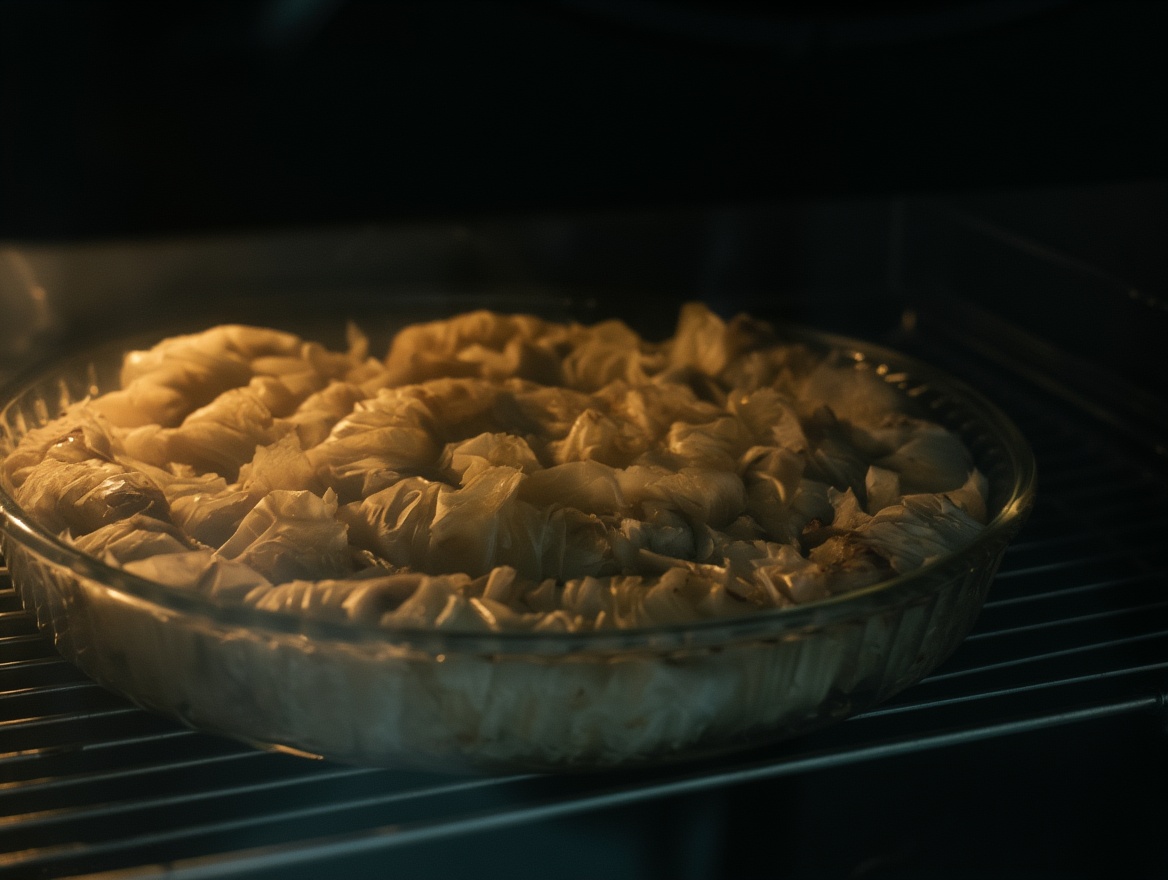
Albanian cuisine sits at a crossroads. Five centuries of Ottoman rule gave it slow-cooked meat dishes, layered pastries, and a heavy dairy tradition. The Mediterranean coast gave it olive oil, fresh seafood, and vegetables that actually taste like something. The mountains gave it cured meats, aged cheeses, and a practical approach to whatever the land provides.
The result is food that’s deeply regional. What you eat in Tirana — fërgesë, liver dishes, macchiato culture — is genuinely different from the seafood-forward cooking of Saranda or the mountain guesthouse meals of Theth. Order the same dish in three cities and you’ll get three different interpretations.
One honest note: Albanian food can be uneven. The local joints are genuinely excellent; tourist-facing restaurants near the main sites are often mediocre and increasingly overpriced. The Reddit consensus since 2024 is blunt: “Albanian prices have gone insane” — particularly in Saranda and Ksamil in peak season. Still cheap by London standards. Not as cheap as it was.
⚠Real Talk
The phrase I keep seeing in Albania travel forums: “Greek prices with Albanian infrastructure.” That’s only true at the worst tourist-trap end. Eat where Albanians eat and you’re still paying €5–8 for a full meal. The problem is knowing where that is — which is what this article is for.
The 13 Dishes: What to Order and Why
Start with byrek, tavë kosi, and fërgesë — in that order. Those three cover the core of Albanian cooking: the pastry tradition, the slow-cooked meat tradition, and the Tirana-specific offal-and-vegetable stew. Everything else on this list is worth knowing, but those three are the non-negotiables.
1. Byrek (BEE-rek) — the one you’ll eat every day
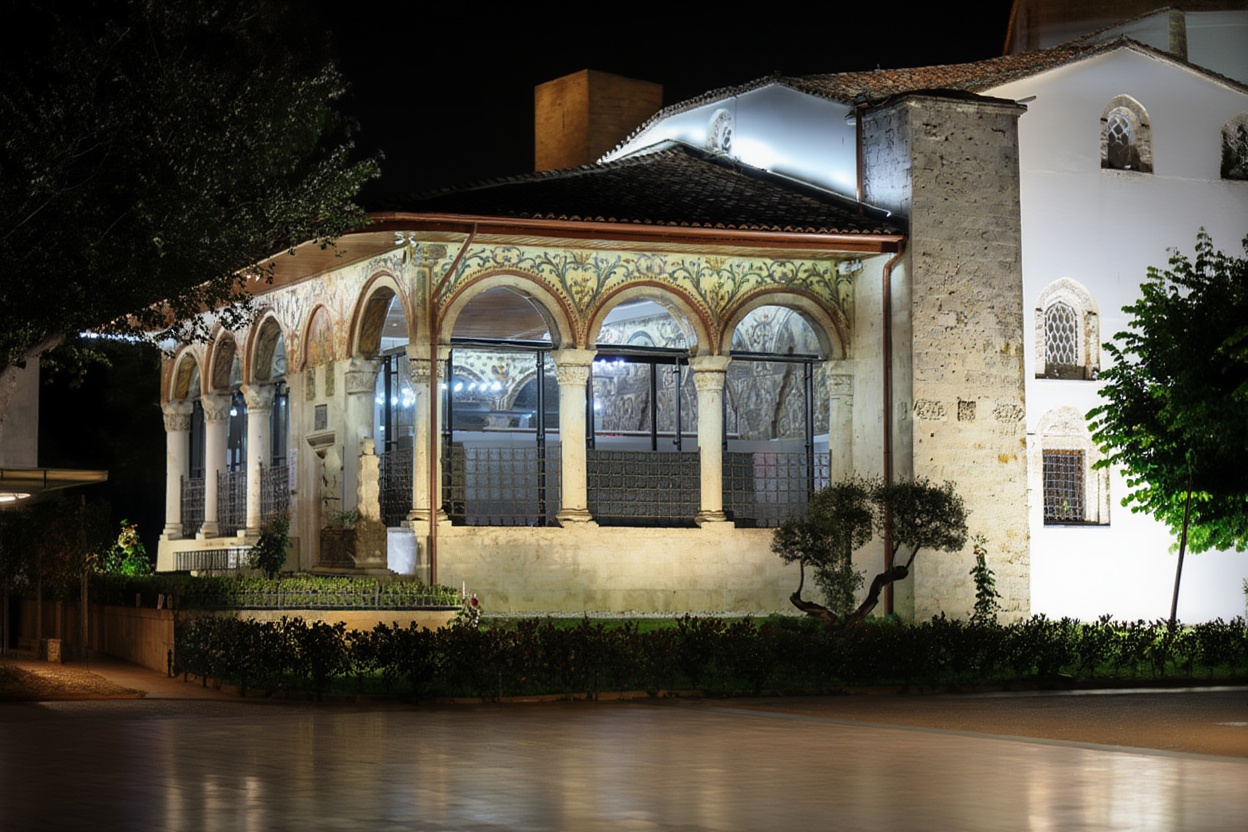
Byrek is filo pastry, filled with spinach and white cheese (gjizë), minced meat, or pumpkin. It comes in triangles or rolled spirals. Every baker makes it differently. The smell of it baking — warm oil, pastry crisping, something slightly herbal — is the default smell of Albania at 7am.
The best byrek you’ll eat in Albania is almost certainly from a street bakery, not a restaurant. Look for the word byrektore and a queue of people on their way to work. The spinach-and-cheese version is the standard; the meat version varies a lot. Budget: 40–100 ALL (~€0.37–€0.93 / ~£0.31–£0.79 / ~$0.40–$1.00) depending on size and filling.
I’ve eaten byrek in every city in Albania. The best I’ve found is from a nameless byrektore on Rruga Myslym Shyri in Tirana — a 10-minute walk from Skanderbeg Square, small green-painted front, no sign in English, queue starts at 7:30am. The byrek costs 80 ALL (~€0.74 / ~£0.63 / ~$0.80) for a generous triangle. It comes out of the oven at 6:30am and again around 9am.
•MARCUS’S PICK
Rruga Myslym Shyri byrektore, Tirana — spinach and cheese, 80 ALL. No website. No English. Still the best €0.74 you’ll spend in Albania.
2. Tavë Kosi (TAH-veh KOH-see) — the national dish
Lamb baked slowly in egg-set yoghurt until the custard sets firm — this is Albania’s national dish, and it tastes like nothing else in the Balkans. The sourness of Albanian yoghurt is the key variable: full-fat and genuinely sour in a way supermarket yoghurt is not. Order it at a traditional restorant, not a tourist one, and give them the 45 minutes to make it properly.
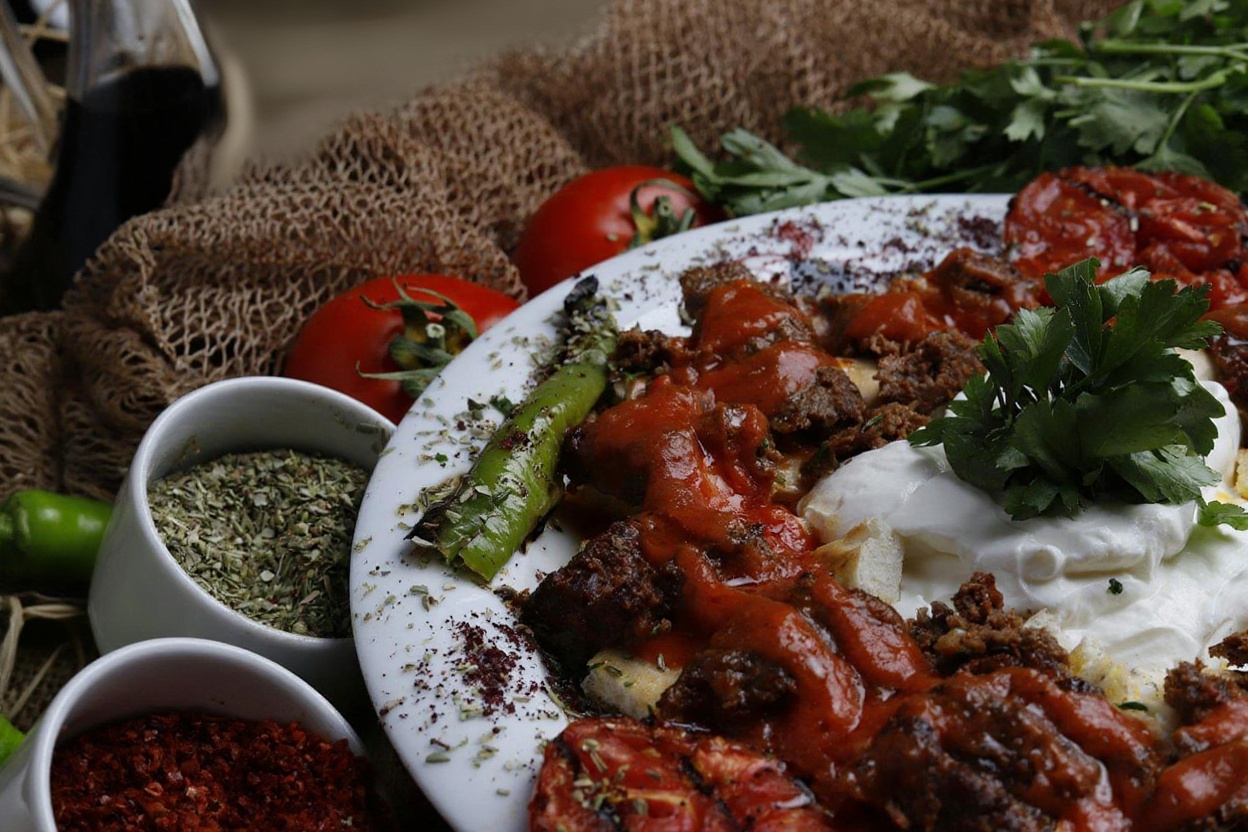
Tavë kosi is Elbasan’s signature dish — the city an hour’s drive east of Tirana — but you’ll find solid versions across the country. Expect to pay 600–900 ALL (~€5.56–€8.33 / ~£4.72–£7.08 / ~$6.00–$9.00) at a good local restaurant. Most menus translate it as “baked lamb with yoghurt” if they bother translating at all.
ℹKnow Before You Go
Tavë kosi takes 45–60 minutes to bake properly. At tourist restaurants it’s often pre-made and reheated. At a traditional restorant that does it right, you may need to order in advance or wait. The wait is worth it. The reheated version is not the dish.
3. Fërgesë (FUR-ge-zeh) — Tirana’s own thing
Tirana-specific. Diced liver, bell peppers, and tomatoes cooked low and slow in a clay pot, finished with white cheese. The smell of it cooking — paprika, browning meat, something fermented underneath — gets into a room before the dish does.
It divides people. The texture is soft, the flavours are heavy. It’s the kind of dish that needs bread — and Albanian bread, thick-crusted and slightly sour, is very good. At a traditional restorant in Tirana, look for clay pots on the menu photos. Price: 500–700 ALL (~€4.63–€6.48 / ~£3.93–£5.51 / ~$5.00–$7.00).
I’m in the love-immediately camp. I understand why someone raised on European food might not be. Try it once. If it’s not for you, the tavë kosi is right there.
4. Trileçe — the dessert everyone overlooks
Albania’s version of tres leches cake — sponge soaked in three kinds of milk, then topped with caramel. Softer and less sweet than Turkish or Balkan versions. Coffee shops in Tirana sell slices for 150–200 ALL (~€1.39–€1.85 / ~£1.18–£1.57 / ~$1.50–$2.00).
Besnik at the qaxe (say: CHA-zeh — café) on Rruga Sami Frashëri makes a version that’s probably better than any restaurant version I’ve eaten. He’ll deny this if asked. Order it at the end of a meal when you haven’t saved enough room. It’s light enough.
5. Paçe (PAH-cheh) — the breakfast soup not for everyone
Tripe and head soup, eaten for breakfast on weekends. The broth is clean and heavily seasoned with garlic. The meat slow-cooked until it falls apart. It smells like exactly what it is. It’s not on tourist menus.
Find it at a lokal (basic local restaurant) that opens before 8am. Tirana has several around the Pazari i Ri (New Bazaar) area. Price: 300–400 ALL (~€2.78–€3.70 / ~£2.36–£3.14 / ~$3.00–$4.00).
→Who It’s For
Paçe: anyone who eats nose-to-tail at home. Not the first thing to order if offal isn’t in your regular rotation. If it is, you’ll find it quietly excellent.
6. Fli (FLEE) — the mountain pastry
Stack of thin crêpe-like layers built up one at a time, each brushed with butter or cream, cooked slowly over coals. A mountain dish — common in Kosovo and the northern highlands, less so in Tirana restaurants. Somewhere between a crêpe and a thick pancake in texture. Served with cream, honey, or jam.
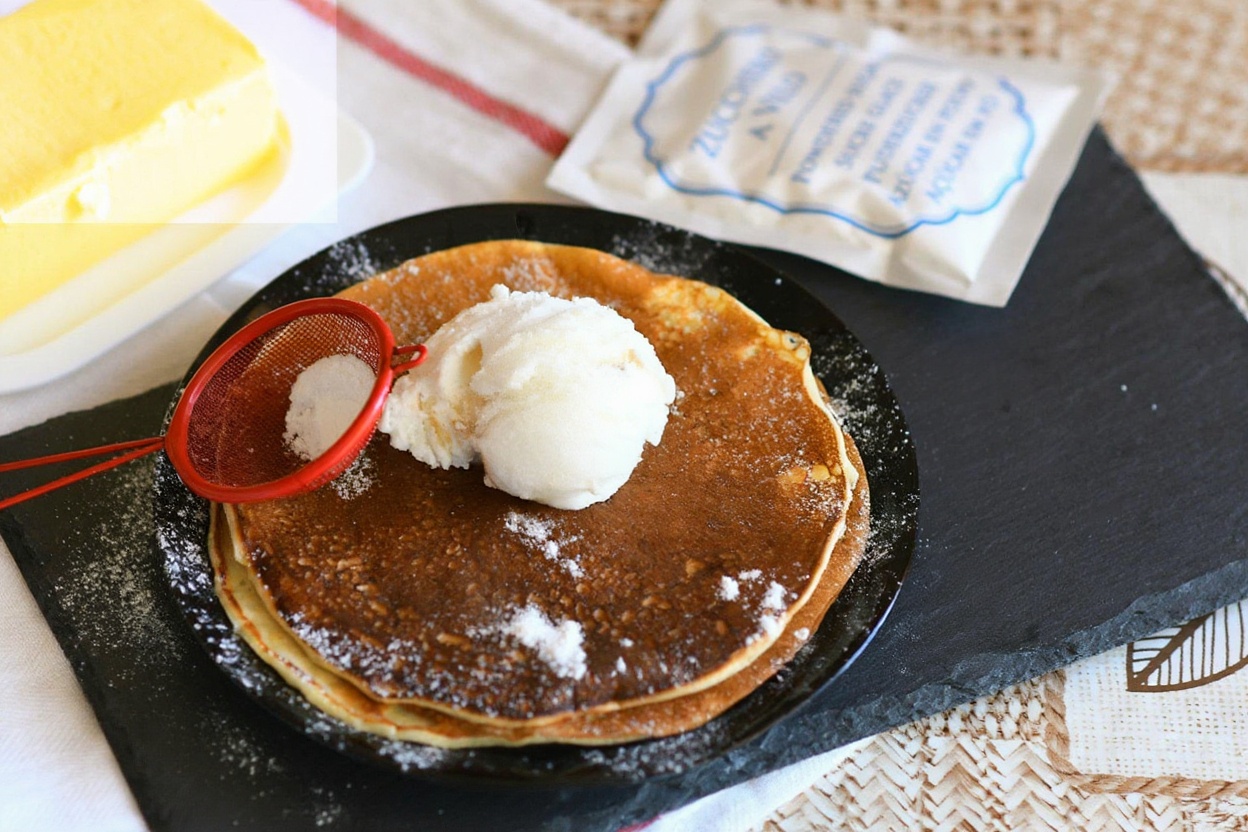
If you’re going to Theth or Valbona, you’ll find fli at guesthouse breakfasts. Ask for it specifically. In Tirana, a handful of traditional restaurants serve it — price around 400–600 ALL (~€3.70–€5.56 / ~£3.14–£4.72 / ~$4.00–$6.00).
•Seasonal Note
Fli is a winter and mountain dish. In Tirana restaurants it’s available year-round, but in the north you’re most likely to encounter it at guesthouse breakfasts between May and October, when hikers are there to eat it.
7. Seafood on the Riviera
Fresh-caught fish off boats, not freezer trucks — the quality on the Albanian Riviera is genuinely high. The problem is the restaurants. Walk one or two streets back from the Saranda waterfront and prices drop by half for the same fish.
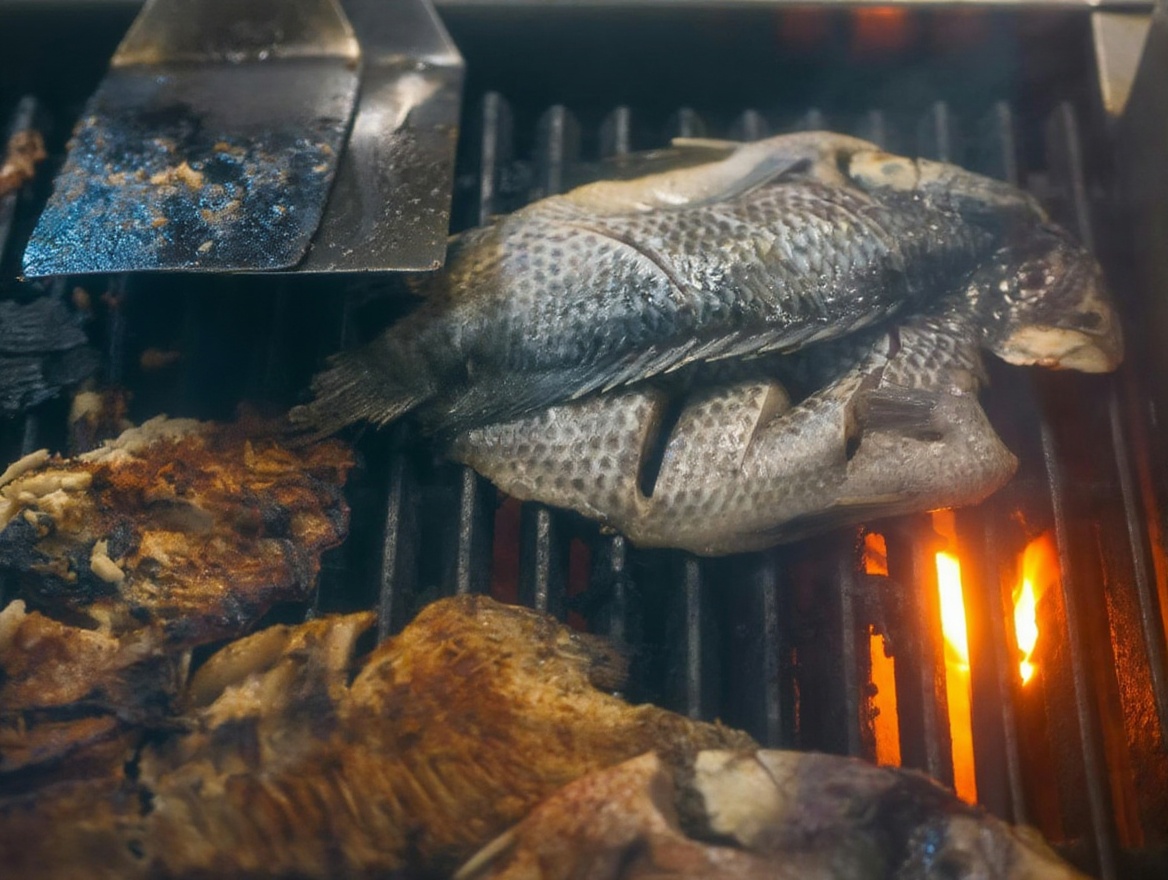
At the Museum Albanian Authentic Restaurant in Saranda — on the main strip near the seafront — a full meal of drinks, appetisers, a main, and dessert runs €10–12 (~£8.50–£10.20 / ~$10.80–$12.96) per person. That’s the baseline. Anything significantly more is the tourist premium at work.
Grilled sea bream (levrek): 800–1,200 ALL (~€7.41–€11.11 / ~£6.30–£9.44 / ~$8.00–$12.00) depending on weight and location.
8. Raki (RAH-kee) — the national drink (technically food)
Grape or plum brandy. Every family in rural Albania makes their own. The commercial stuff ranges from acceptable to very good; the homemade ranges from excellent to genuinely dangerous, depending on who made it and how much patience they had.
It’s poured without being asked in traditional settings. You don’t refuse the first glass. The taste is sharp, clear, slightly smoky — dries the back of the throat and then warms everything below it. The correct temperature is room temperature. Cold raki is wrong.
In restaurants, a shot runs 100–200 ALL (~€0.93–€1.85 / ~£0.79–£1.57 / ~$1.00–$2.00). In someone’s home, it’s free and you’re expected to try all three batches they’ve made this year and have an opinion about which is best.
↗Insider Tip
If you’re offered homemade raki, ask if it’s raki rrushi (grape) or raki kumbulle (plum). The plum version is usually smoother. The grape version is usually stronger. Neither is a bad answer.
9–13. The others worth knowing
Gjellë me fasule — white bean stew, slow-cooked with tomato and herbs. Albanian comfort food at its most honest. 300–500 ALL (~€2.78–€4.63 / ~£2.36–£3.93 / ~$3.00–$5.00). Order it in a mountain guesthouse in autumn and it will make complete sense.
Sufllaqe (SOOF-la-cheh) — the Albanian döner kebab. Gyro wrapper, usually chicken or mixed meat, 200–300 ALL (~€1.85–€2.78 / ~£1.57–£2.36 / ~$2.00–$3.00). The best ones come from street carts in Tirana at 1am, though they’re acceptable at any hour.
Mish i pjekur — “roasted meat,” usually a mixed grill. Ask what’s in it. At a good local place, expect lamb, beef, and chicken over charcoal, with pickled vegetables on the side. 700–1,000 ALL (~€6.48–€9.25 / ~£5.51–£7.86 / ~$7.00–$9.99).
Djathë i bardhë — white cheese, similar to feta but milder and creamier. It arrives on every table as a starter. 150–250 ALL (~€1.39–€2.31 / ~£1.18–£1.96 / ~$1.50–$2.50) for a portion. You will eat more of it than you plan to.
Qumësht kosi — soured milk, drunk rather than eaten. An acquired taste. Order it once at a mountain guesthouse. That’s enough to form an opinion.
—
Where to Eat in Albania: By City
The best Albanian food is never the most visible Albanian food. Every city has a tourist strip and a ten-minute walk away from it. This is where to go in each.
Tirana
Tirana’s restaurant scene has expanded dramatically since 2022. The Blloku district has gone upmarket — good restaurants, but prices have followed. For traditional Albanian food at honest prices, head to the area around Pazari i Ri (New Bazaar).
•MARCUS’S PICK
Oda Restaurant, Rruga Luigj Gurakuqi, Tirana — traditional Albanian cooking in a converted Ottoman house. Fërgesë, tavë kosi, good liver dishes. Expect 800–1,400 ALL (~€7.41–€12.96 / ~£6.30–£11.02 / ~$8.00–$14.00) per person including raki. Book ahead on weekends.
For cheaper eating: Pazari i Ri itself has bakeries, small lokal restaurants, and fruit vendors. A full lunch — byrek, salad, a main, water — runs 500–700 ALL (~€4.63–€6.48 / ~£3.93–£5.51 / ~$5.00–$7.00) without trying.
Want to eat with a guide? GetYourGuide Tirana street food tours start from €25 (~£21 / ~$27) — they take you to the spots that don’t have English menus, which is most of the good ones.
Berat
Berat’s restaurant scene is tourist-facing but not cynical. The best food is in the Mangalem quarter — the old town on the hill — not the cafés along the river. The cobblestones are uneven underfoot and slightly damp in the morning. The restaurants with the best views are usually the ones with the most average food.
•MARCUS’S PICK
Temi Albanian Food, Mangalem quarter, Berat — small, family-run, genuinely recommended by everyone who’s been. Albanian food the way it was before anyone thought to put it on a menu. Arrive before 7pm — it fills up. Budget 600–1,000 ALL (~€5.56–€9.25 / ~£4.72–£7.86 / ~$6.00–$9.99) per person.
Saranda
Saranda has the freshest seafood and the most tourist-inflated prices. The waterfront is for people who want to pay for the view. For the food, walk back.
Museum Albanian Authentic Restaurant, near the seafront — full meal €10–12 per person, seafood fresh and properly cooked. Use this as your baseline for what Saranda food should cost.
•Seasonal Note
July and August in Saranda: prices rise 30–40%, restaurants fill by 7pm, and tourist-facing quality drops. June and September are the same temperature, same water, significantly better economics.
Worth a Drive: Mrizi i Zanave
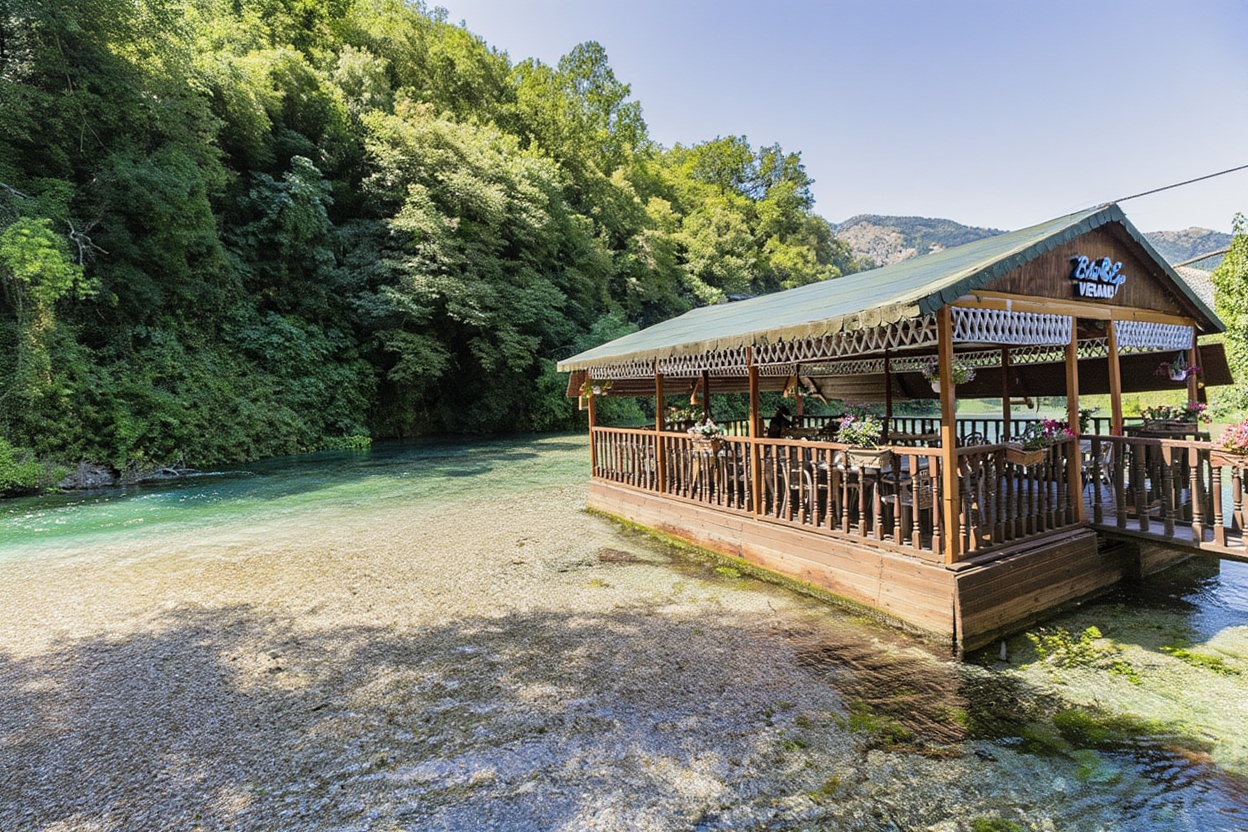
An hour and a half north of Tirana, near Lezhë: Mrizi i Zanave Agroturizëm, a working farm and restaurant founded by Chef Elton Përnga. Farm-to-table isn’t a marketing position here — the menu is determined by what the farm and 400+ local partner families produced that week. The vegetables smell like vegetables. This is rarer than it should be.
Expect €20–35 (~£17–£29.75 / ~$21.60–$37.80) per person for a multi-course lunch. Reservations essential on weekends. This is the kind of meal that makes you understand why Albanian food culture is more interesting than the headlines suggest.
—
How Much Food Costs in Albania (2026)
Prices vary significantly between Tirana, the riviera, and the mountain regions. Here’s what you’ll actually pay eating at local restaurants — not tourist traps.
⚠Real Talk
The “Albanian prices have gone insane” thread is not wrong, but it’s not the whole story. Tourist-facing restaurants in Saranda and Ksamil are now priced like mid-range Greek islands. Local restaurants across the country are still excellent value. Know the difference and you’ll eat very well.
—
Albanian Food vs Greek Food: Not the Same Thing
Albania shares a border and an olive grove with Greece. The cuisines share nothing else. Albanian food is heavier, dairy-richer, and significantly more Ottoman in its cooking tradition — the yoghurt is sourer, the offal more prominent, the pastry tradition rooted in Turkish börek rather than Greek spanakopita.
Albanian food is also cheaper, more regional, and less standardised. In Greece, you know roughly what moussaka tastes like everywhere. In Albania, the same dish varies significantly by region, family, and whoever’s cooking it that day. This is either a feature or a bug depending on your tolerance for uncertainty.
Neither cuisine is better. They’re genuinely different and happen to share a border and an olive grove.
—
The Confession
First trip to Saranda, I booked a table at a waterfront restaurant on the main strip because it had good photos and was easy to find. Paid €22 a head. The fish was fine — frozen, not fresh, despite what the menu said. The raki was decent. The view was good.
Besnik told me about the spot two streets back the next day. Same fish, €9, actually from the boats that morning. I ate there four more times before leaving Saranda.
The lesson: in Albania, the right restaurant is almost never the one with the English menu and the professional sign. Ask someone who lives there, or walk away from the water until the restaurants start looking like they’re not trying. That’s usually when you’ve found the right one.
—
One More Thing: Albanian Coffee
Albania runs on macchiato — the short one with a drop of milk foam, not the espresso. This is the entire social infrastructure of Albanian daily life, and it costs 100–150 ALL (~€0.93–€1.39 / ~£0.79–£1.18 / ~$1.00–$1.50).
Order an “espresso” and you’ll get a macchiato. Order a “flat white” and the person behind the counter will look at you with polite confusion and make you a macchiato anyway. This is correct.
The qaxe is the Albanian café — small, usually family-run, full of people who have nowhere urgent to be. Besnik’s qaxe on Rruga Sami Frashëri in Tirana has been my office, my news source, and my Albanian lesson for four years. Find one you like. Go back twice. By the third visit they’ll stop charging you for the water.
—
FAQ: Albanian Food
- Is Albanian food safe to eat?
- Yes. Travellers consistently report no food safety issues. The usual advice applies: avoid raw shellfish in smaller restaurants away from the coast, choose busy places over empty ones, and drink bottled water — tap water in major cities is technically drinkable but bottled is cheap and safer. Albanian food is thoroughly cooked; it’s not a raw-food culture.
- Is Albanian food vegetarian-friendly?
- Partially. Albanian food is meat-forward, but solid vegetarian options exist: byrek with spinach and cheese, gjellë me fasule (white bean stew), tregtar salata (village salad), and most of the dairy and bread. In Tirana, vegetarian restaurants exist. In smaller towns, you’re ordering around the menu rather than from a dedicated vegetarian section.
- How does Albanian food compare to other Balkan cuisines?
- Albanian food shares the Ottoman-influenced meat-and-pastry tradition with other Balkan cuisines, but has a stronger dairy component from the mountain herding tradition and more Mediterranean influence on the coast. It’s less paprika-heavy than Serbian or Bulgarian food, and the seafood culture is more developed than in landlocked Balkan countries.
- How much should I budget for food in Albania per day?
- Eating local on a tight budget: €8–15 (~£6.80–£12.75 / ~$8.64–$16.20) per day covers three meals easily. Mid-range sit-down restaurants: €20–35 (~£17–£29.75 / ~$21.60–$37.80) per day. On the riviera in peak season, budget 30–40% more for equivalent quality. Tirana is consistently cheaper than the coast year-round.
- What’s the best Albanian dish for a first-time visitor?
- Tavë kosi — baked lamb in egg-set yoghurt. It’s the national dish, it’s unique to Albania, and a good version tells you everything about how Albanian food works: slow, dairy-heavy, simple ingredients done right. Budget 600–900 ALL (~€5.56–€8.33 / ~£4.72–£7.08 / ~$6.00–$9.00) at a local restaurant. Don’t order it at a tourist restaurant.
- Are there food tours in Albania worth taking?
- Yes — particularly in Tirana, where the best places have no English signage and are easy to walk past. GetYourGuide Tirana food tours start from €25 (~£21 / ~$27) and typically cover byrek, fërgesë, raki tasting, and the Pazari i Ri market. Worth it for a half-day on arrival before you know the city.
—
Right. That’s what you need. Go eat the byrek first — before you do anything else when you arrive. Get it from a bakery at 7am while it’s still hot. Then come back to this list when you’ve had the first one and want to know what’s next.
Questions about specific restaurants or dishes? Drop them in the comments — I check most days and I’m usually at Besnik’s qaxe doing exactly nothing useful.
