Albanian Riviera: The Complete Beach Guide (From Someone Who’s Driven Every Mile)
Updated June 2026 — Marcus Webb moved from Leeds to Tirana four years ago. He has driven the Riviera road four times and spent two weeks total on the Albanian coast. Prices verified June 2026.
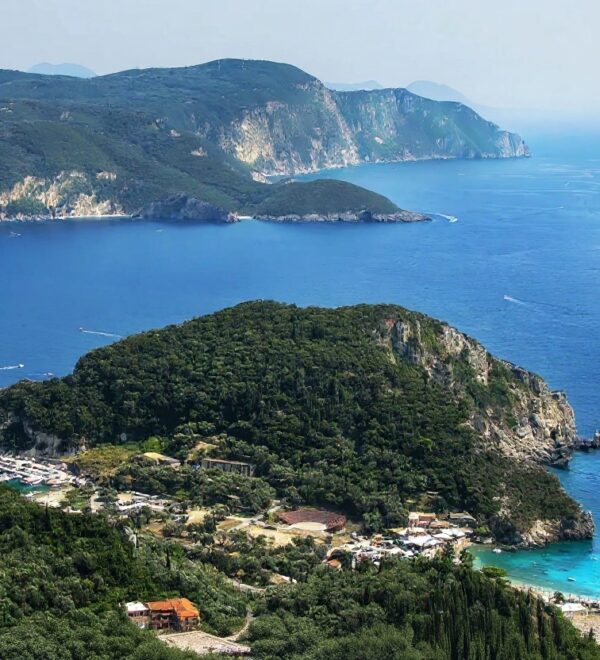
The Albanian Riviera runs along the Ionian coast of southern Albania for about 200km, from the Greek border at Saranda northward to Vlora. The water is genuinely clear — the combination of a rocky coastline, minimal industrial runoff, and relatively low tourism pressure keeps it that way. Prices are significantly lower than Greece or Croatia. July and August are busy by Albanian standards but quiet by Adriatic standards. May, June, and September are the sensible months.
The Riviera Road: Start Here
The road that defines the Albanian Riviera is the SH8, which runs north from Saranda, climbs dramatically over the Llogara Pass (1,027m), and descends to Vlora. The coastal section between Saranda and Himara is the stretch most visitors focus on, and it’s spectacular — the road cuts along cliff faces above the Ionian Sea, passing small beach towns, coves, and the kind of views that make you brake unnecessarily.
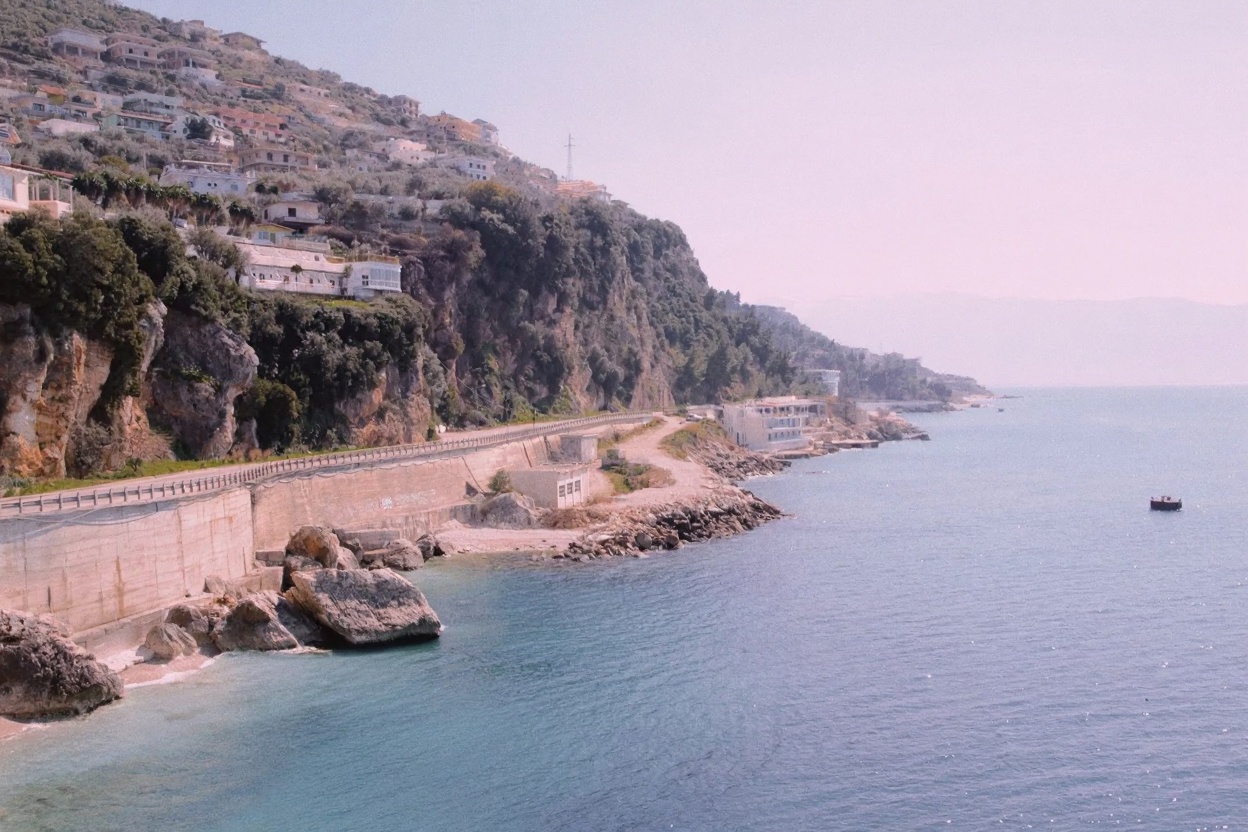
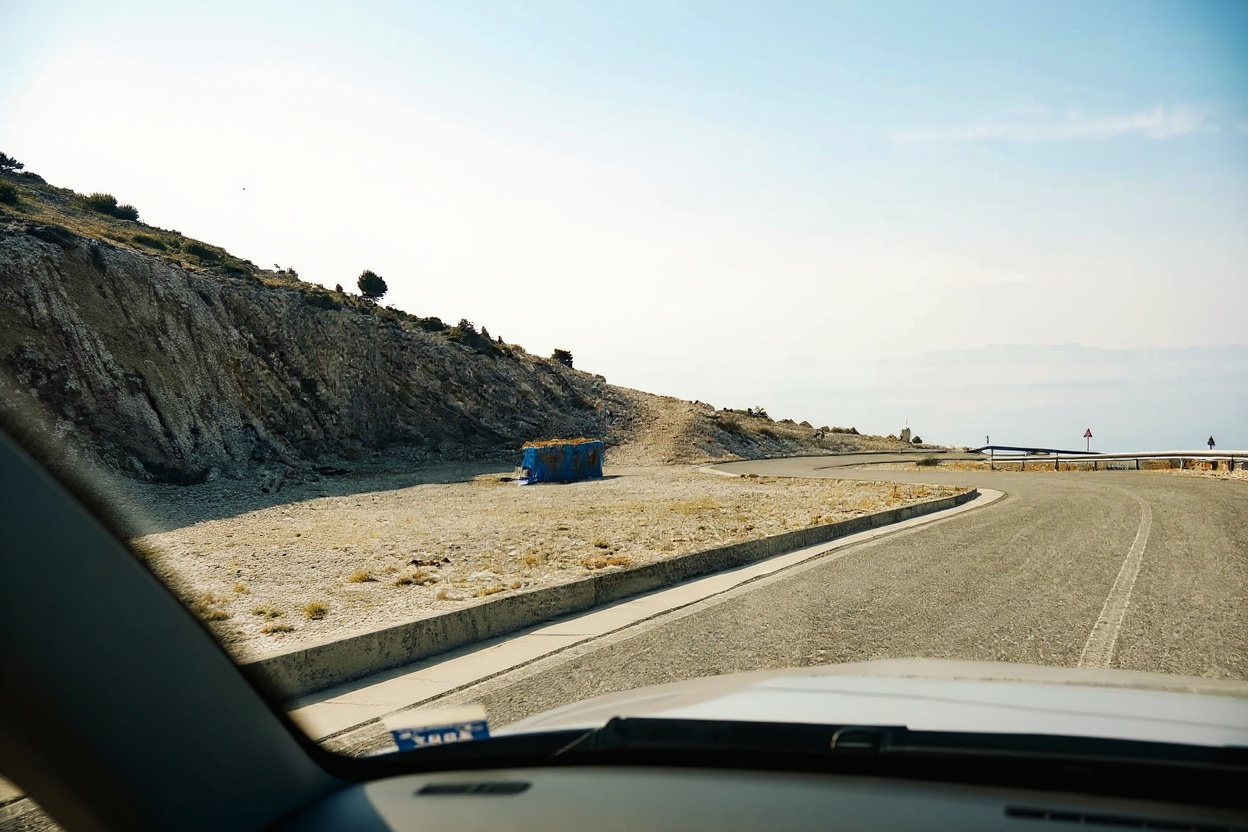
The Llogara Pass itself is worth treating as a destination. At 1,027 metres, it’s a mountain road with hairpin bends and sweeping views over the coastline and the Greek island of Corfu on clear days. The drive down from the pass to Dhermi on the northern side is about 20 minutes of switchbacks that end with the sea appearing below. It’s the kind of approach that makes you glad you drove rather than taking a bus.
Road condition: the SH8 is tarmac throughout but narrow in sections, and passes through several small towns where goats on the road are not a hypothetical. A standard car handles it fine. The main concern is time — Saranda to Himara is 70km but takes 90 minutes minimum due to the road’s curves and small towns. Plan accordingly.
Ksamil: The Best Water on the Riviera
Ksamil is a small beach town 14km south of Saranda, near the Butrint National Park UNESCO site, and has the clearest water on the Albanian Riviera. The beaches are small coves with white pebbles and sand, and the water colour — aquamarine shifting to deep blue — is the result of the Ionian’s limestone seabed and the depth coming up sharply from the shore.
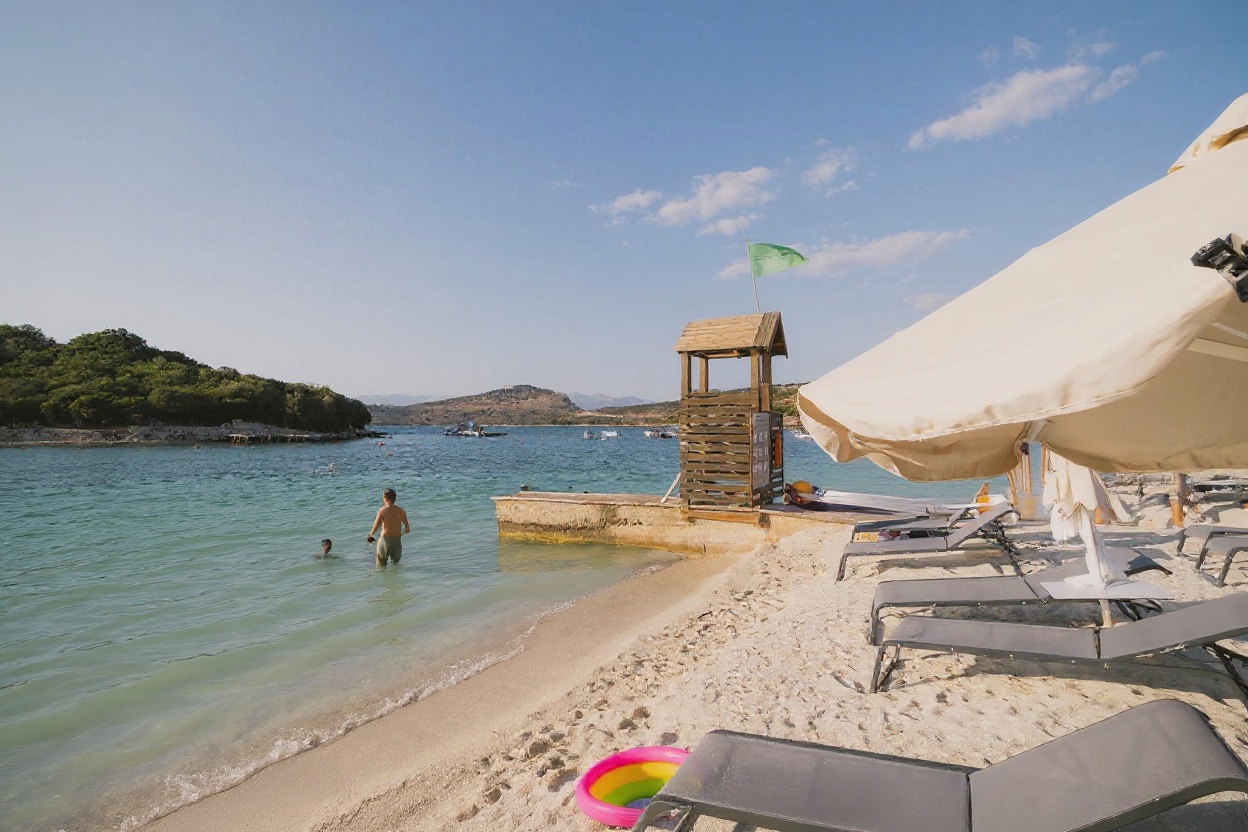
There are four small islands visible from Ksamil’s beaches, reachable by short swim or paddleboard rental (5 EUR/hour). The main beach fills up in July and August — the town has expanded rapidly in the last five years and accommodation now ranges from budget guesthouses (25–40 EUR/night) to mid-range beach hotels (60–100 EUR/night). Still significantly cheaper than Corfu, 20 minutes by ferry across the channel.
Butrint National Park is 7km south of Ksamil — 700 GEL of Greco-Roman ruins on a forested promontory above a lagoon. UNESCO World Heritage Site. Entry 1000 ALL (about £7 / $9). The site takes 2–3 hours and is genuinely significant: the ruins span Greek, Roman, Byzantine, and Venetian periods, and the setting above the lake is better than most of the archaeology. Worth combining with Ksamil into a full day south of Saranda.
| Albanian Riviera Beach Towns at a Glance | Distance from Saranda | Best For |
|---|---|---|
| Ksamil | 14km south | Clearest water, small island swimming |
| Saranda | — | Ferry to Corfu, base for south Riviera |
| Qeparo | 55km north | Quieter beach, old village above |
| Himara | 65km north | Main town, beach + old castle town |
| Palasa | 80km north | Dramatic cliffs, fewer crowds |
| Dhermi | 90km north | Longest beach, most developed, best nightlife |
| Llogara Pass | 110km north | Mountain viewpoint, drive highlight |
| Vlora | 190km north | City end of the Riviera, ferry to Brindisi Italy |
Himara: The Town Worth Staying In
Himara is the best base on the southern Riviera — it has a beach (Livadhi Beach, 2km long), a functioning old town with a castle above it, enough restaurants and bars to have options without being overwhelmed, and a reasonable price structure. It’s 65km north of Saranda on the SH8, about 90 minutes by bus or car.
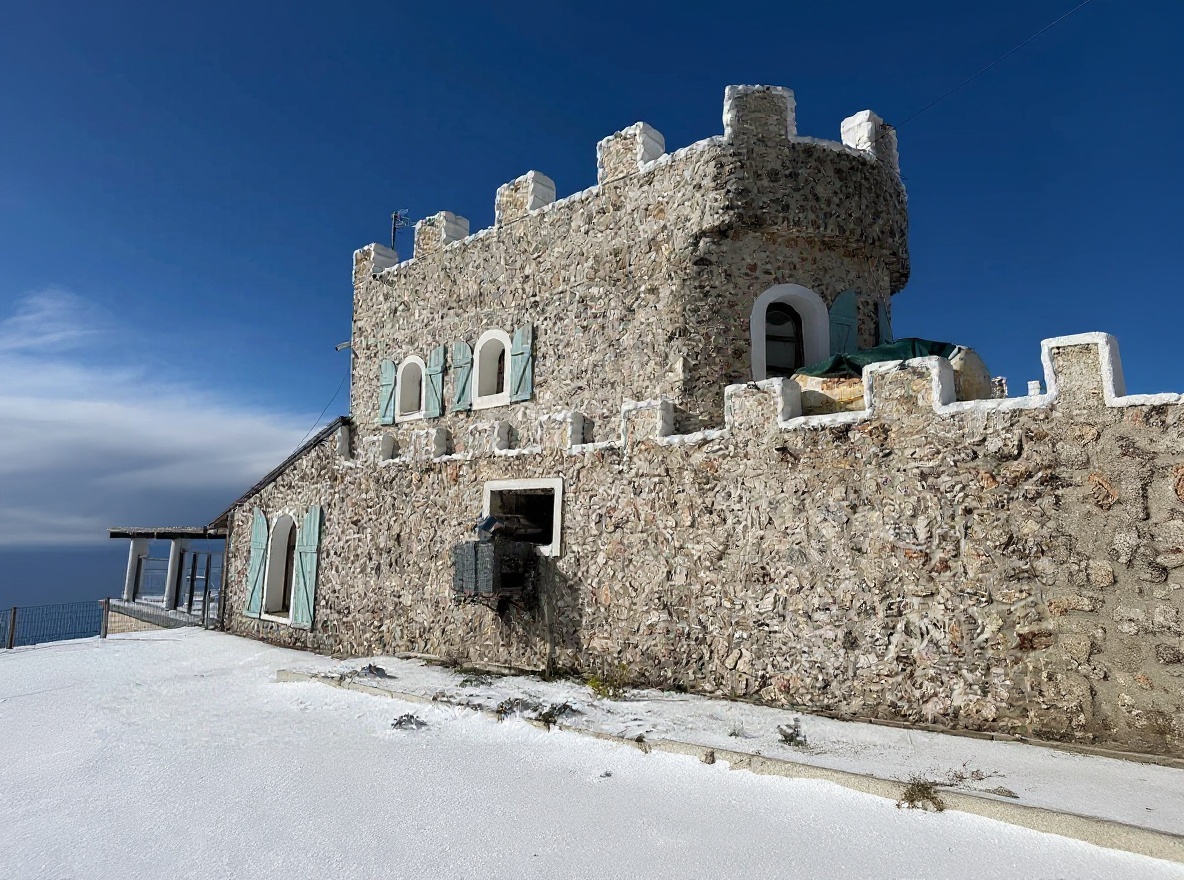
The old town above modern Himara (called Paleocastro) is Greek-speaking — the community here is part of Albania’s Greek minority population — and has a Byzantine castle, small churches, and stone houses built on a cliff above the sea. It’s a 20-minute walk from the beach area and completely quiet. The contrast between the beach bars below and the medieval village above is significant and worth the climb.
Livadhi Beach runs about 2km in front of the town — a mix of pebble and coarse sand, with beach chairs available from operators for 500–800 ALL per pair per day (£2.80–4.50 / $3.60–5.80). The water here is less dramatically clear than Ksamil but still excellent. July and August see Albanian families and some Greek visitors from across the border. June and September: manageable crowds.
MARCUS’S PICK: Eat at one of the grill restaurants in Himara old town rather than the beach strip. The beach restaurants optimise for volume in summer. The old town places — look for the ones with a wood-burning grill visible from the street — serve lamb and fish at prices that will remind you you’re in Albania: 500–700 ALL for a main (£2.80–4 / $3.60–5.10). Grilled octopus with lemon and olive oil. Order that.
Dhermi: The Longest Beach and the Party Question
Dhermi is the most developed beach town on the Albanian Riviera and the one that gets written about most frequently in travel press. The beach is about 3km of light grey pebble and sand at the bottom of a steep descent from the main road — the village of Dhermi itself is on the hillside above, and you drive (or take a minibus) down the switchbacks to the beach area.
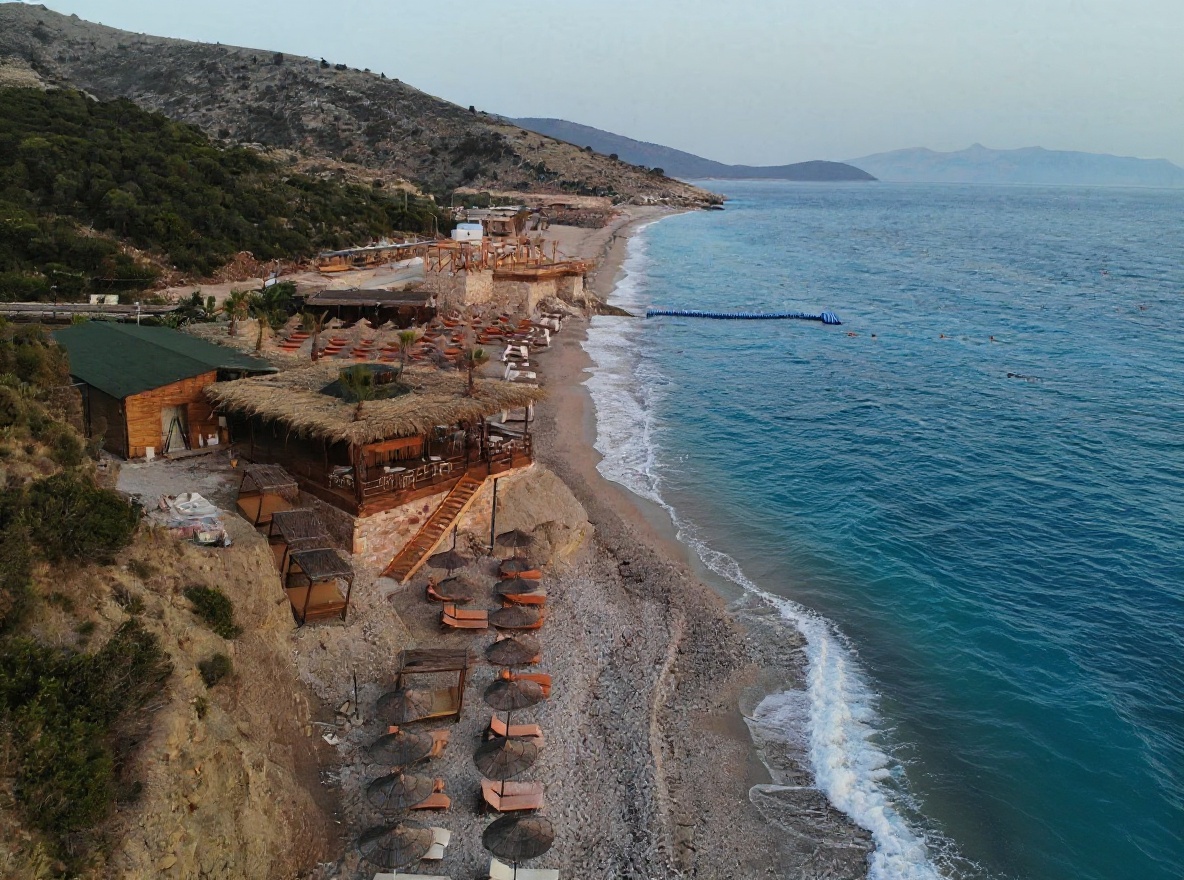
The beach is genuinely good — wide, long, with clear water and the mountains behind. What’s changed in the last five years is the development: the beach strip now has multiple beach club operations with DJ sets in the evening, sunbed areas, cocktail bars, and the kind of infrastructure that works well for people who want a Croatian-style beach holiday at Albanian prices, and works less well for people who came for the quiet.
For June and September, Dhermi is fine — the beach clubs are less aggressive and the beach itself is pleasant. For late July and August, Dhermi is the party version of the Albanian Riviera. If that’s what you want, the prices are still substantially lower than comparable Adriatic beaches (cocktails 500–700 ALL / £2.80–4, sunbeds 400–600 ALL per day). If it’s not what you want, Palasa (7km south) or Qeparo (further south toward Himara) are quieter alternatives.
Saranda: The Gateway (and Worth a Day)
Saranda is the main city of the south, population around 35,000, and the practical gateway to the Riviera from both Albania (bus from Tirana, 5–6 hours, 1000–1200 ALL) and Greece (ferry from Corfu, 45 minutes, about 20 EUR). It’s a working city that’s also a beach resort, which gives it a slightly different texture from the purely tourist towns further up the coast.
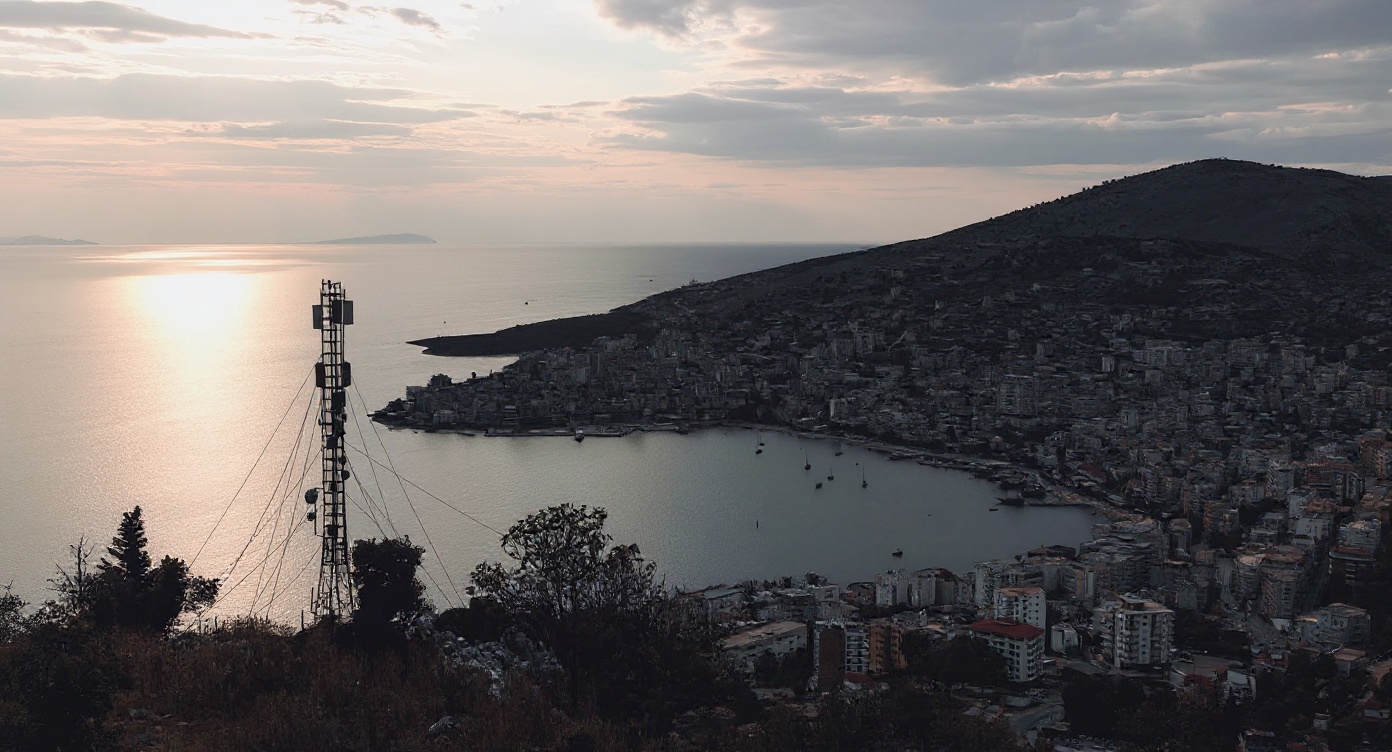
The Saranda waterfront promenade is pleasant — cafés, restaurants, Albanian families walking in the evening, the whole Balkan evening culture of the xhiro (the evening stroll). The beach in Saranda itself is not the highlight — the city beach is fine, but Ksamil 14km south is significantly better for swimming. Most people use Saranda as a one-night transit point rather than a destination.
If you’re arriving from Greece via Corfu ferry: Saranda is the entry point and worth an evening walk on the promenade and dinner before heading north. The ferry runs multiple times daily in summer from Corfu Town (Igoumenitsa also has connections). Albania safety guide covers the border crossing and general orientation for first-time visitors.
Getting Around the Riviera
The most straightforward way to see multiple Riviera towns is to rent a car in Tirana (25–40 EUR/day from local agencies, cheaper than international chains) and drive the SH8. The road quality is adequate throughout, the drive is spectacular, and having a car allows you to stop at unmarked coves and beaches that buses pass through without stopping.
Without a car: buses and minibuses run from Saranda north to Himara and Dhermi multiple times daily in summer (500–700 ALL, 60–90 minutes). From Tirana to Saranda: direct buses leave from the Kombinat bus terminal, 5–6 hours, 1000–1200 ALL. The overnight bus is an option — leaves Tirana around 11pm, arrives Saranda in time for morning.
Furgons (shared taxis) fill in the gaps between bus services and connect the smaller towns. They’re slower and run when they’re full rather than on schedule, but they’re cheap (200–400 ALL per leg) and usually find you at the bus station or main square if you ask around.
Where to Stay on the Albanian Riviera
The accommodation structure on the Riviera follows the same pattern as the towns: Ksamil has the best-value beach guesthouses, Himara has the most balanced options, and Dhermi has the most developed hotel and beach club infrastructure. The coast has no international hotel chains — everything is locally owned, which is both the appeal and the reason why quality varies significantly within each town.
Ksamil: Family-run guesthouses within 5 minutes’ walk of the beach, 25–40 EUR per night for a double with breakfast. The beach hotels right on the waterfront run 60–100 EUR. Most guesthouses in Ksamil are unlisted on major booking platforms — ask locally or try Booking.com with a “show more results” approach. The town is small enough that a 10-minute walk from the beach is still a 10-minute walk from the beach.
Himara: The best balance on the Riviera. Guesthouses in the town proper run 30–50 EUR. A handful of mid-range hotels on or near Livadhi Beach: 60–90 EUR. The old town above (Paleocastro) has one or two guesthouses in converted stone houses — worth checking for availability if you want altitude rather than beach access. Breakfast is almost always included at Himara accommodation.
Dhermi: Range runs from backpacker hostels (15–20 EUR dorm) to beach hotel rooms with sea views (80–130 EUR). The beach club complexes have accommodation attached — functional but optimised for the party dynamic. The village of Dhermi up the hill above the beach has quieter guesthouse options (30–50 EUR) with the trade-off of a 15-minute downhill walk or minibus ride to the beach each way.
Saranda: The most options, the least character. Budget guesthouses from 20–35 EUR in the city centre. Waterfront hotels from 60–100 EUR. Useful as a transit night rather than a destination base unless the ferry schedule requires it. Book in advance for July-August — Saranda fills up with package tourism from Greece and Kosovo in peak season.
MARCUS’S NOTE: Book accommodation at least 2 weeks ahead for July and August, especially in Ksamil and Dhermi. Both towns have expanded rapidly but demand has expanded faster. Outside July-August, walk-in availability is generally fine — the Riviera towns are small enough that you can arrive in Himara and find a room within 30 minutes of asking around.
The Hidden Beaches: What the Buses Don’t Stop For
The SH8 coastal road passes numerous coves and beaches that have no bus stop and no name on any map — they’re visible from the road as you drive, and reachable by pulling over and climbing down a short trail. This is the main argument for having a car on the Riviera.
Borsh Beach is the longest single beach on the Riviera — 7km of grey pebble and sand south of Himara — and has very little development despite its size. Accessible from the main road. A small settlement at the north end has a handful of restaurants open in summer. It’s almost entirely Albanian family tourism and genuinely peaceful even in August.
Palasa is a small cove 7km south of Dhermi with dramatic cliffs on both sides and water that rivals Ksamil for clarity. The beach is accessed by a 10-minute walk down from the road. Two or three sun-bed operators set up in summer (400–600 ALL per pair). Quieter than Dhermi on any comparable weekend. If you have a car and Dhermi feels too developed, Palasa is the answer.
Qeparo — between Himara and Dhermi — has a small beach at sea level and an old village (Qeparo i Vjetër) on the cliff above, reachable by a steep track. The old village is largely abandoned — stone houses, a Byzantine church, Ottoman-era architecture — and completely unvisited. The beach below is quiet and has decent water. Combine beach and old village into a 3-hour morning and then drive to Himara for lunch.
The Mistake Marcus Made on the First Riviera Trip
First time I drove the Riviera — summer 2023, July, with a friend visiting from the UK — we planned three days and assumed we’d find accommodation on arrival. This is a reasonable assumption in most of Albania. It is not a reasonable assumption on the Albanian Riviera in July.
We arrived in Ksamil at 5pm on a Friday. Every guesthouse we tried: full. The second and third places: full. We found a room eventually, on the outskirts of town, 15 minutes from the beach, for 50 EUR — more than I’d expected to pay and less convenient than I’d wanted. The room was fine. The lesson was clear.
Book in advance for July and August. A week ahead is the absolute minimum — two weeks is better for Ksamil and Dhermi. Himara has slightly more availability because it’s less written about. Saranda always has rooms somewhere. But the specific places — the good-value guesthouse with a sea view and breakfast included — those book out early. The Riviera’s secret is getting out among more people every year. The accommodation hasn’t kept pace yet.
When to Go to the Albanian Riviera
June: the best month. Water temperature reaching 22–23°C, crowds well below peak, everything open, prices at pre-peak levels (accommodation 20–30% cheaper than August). The light in June on the Ionian is exceptional — long evenings, the kind of blue-gold afternoon light that photographers come for.
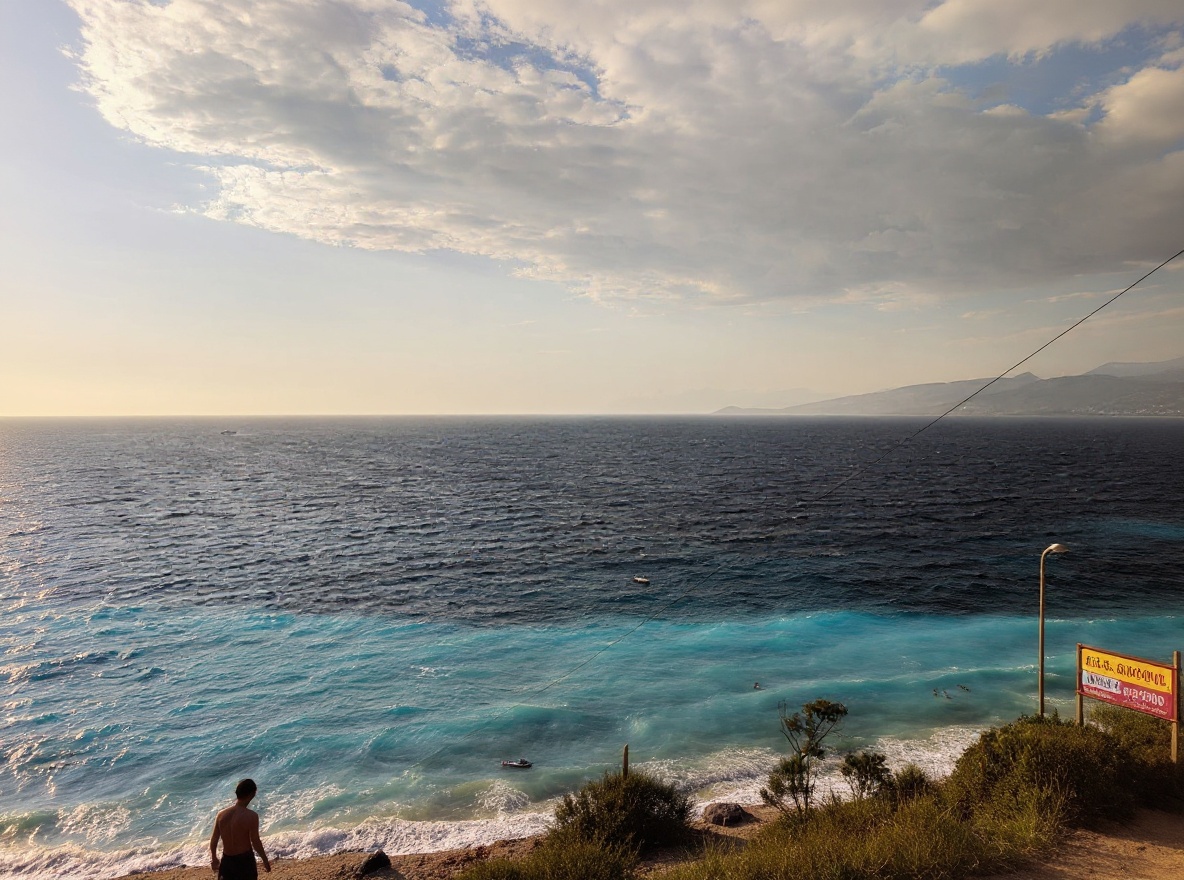
July–August: busy by Albanian standards, which is still quiet by Adriatic standards. The beach clubs in Dhermi are at capacity. Ksamil is crowded by midday. Himara is manageable. Accommodation should be booked 2–3 weeks ahead. Prices peak but remain below Greek or Croatian equivalents.
September: excellent. Crowds drop sharply after the first week of September, the water is still warm (24–25°C from stored summer heat), and the prices drop back. The best month for combining the beach with the Llogara Pass drive and the Butrint ruins without a crowd on anything.
October onwards: many beach operators close after mid-October. The Riviera is still accessible and the scenery is good, but the beach infrastructure is minimal. Worth it for travellers who specifically want empty beaches and don’t mind that the restaurant selection shrinks. The Albania best time to visit guide covers the country-wide seasonal picture including the coast and the mountains.
- Is the Albanian Riviera better than Croatia?
- Depends on what you’re after. The water quality is comparable or better than most Croatian Adriatic beaches. The prices are 40–50% lower. The infrastructure is significantly less developed — fewer beach clubs, less English spoken, roads that require more attention. If you want the polished European beach holiday with good logistics, Croatia is easier. If you want better water and lower prices and don’t mind a rougher edge, the Albanian Riviera wins. They’re genuinely different experiences.
- Which beach town on the Albanian Riviera is the best?
- Ksamil for the clearest water. Himara for the best balance of beach, town, and old village. Dhermi for the longest beach and most developed infrastructure (including beach clubs if that’s what you want). Qeparo and Palasa for the quietest options. Most people who have a full week drive between two or three towns rather than picking one.
- How do I get from Tirana to the Albanian Riviera?
- Bus from Tirana’s Kombinat terminal to Saranda: 5–6 hours, 1000–1200 ALL (£5.60–6.70 / $7.20–8.70). Buses depart throughout the day and there’s an overnight option. Alternatively, rent a car in Tirana and drive the SH8 south — about 4 hours. The drive is scenic from the Llogara Pass section onward.
- Can I day trip from Saranda to Ksamil and Butrint?
- Yes — easily a half-day trip. Ksamil is 14km from Saranda (20 minutes by furgon or taxi, 300–400 ALL). Butrint is 7km further south, entry 1000 ALL. Combine them: Butrint in the morning when it’s cooler (opens 9am), Ksamil for the afternoon swim. Bus/furgon runs between Saranda, Ksamil, and Butrint throughout the day.
- Is the Albanian Riviera safe?
- Yes — the Riviera is one of the more tourist-oriented parts of Albania and standard travel sense applies. Petty theft exists (leave valuables at your accommodation, watch bags at beach). The road driving requires attention given the narrow sections and occasional livestock. Water safety at the beaches is generally good, with calmer Ionian conditions than Adriatic. See the full Albania safety guide for more detail.
What to Eat on the Albanian Riviera: Marcus’s Picks by Town
The food on the Albanian Riviera is, in a word, fish — but the quality and price vary enough by town and by restaurant type that knowing where to look matters.
The general rule: walk one or two streets back from the beachfront and the prices drop by 30–40%. The beachfront restaurants in Saranda, Ksamil, and Dhermi optimise for volume and visibility. The better meals are in the places that don’t need to be visible because locals already know them.
In Himara: The old town (Paleocastro) above the beach has three or four restaurants in converted stone buildings that serve grilled octopus, sea bass, and lamb from a wood-burning grill. Budget 700–900 ALL (~€6.50–8.30) for a main course. These are better than anything on the beach strip and 30% cheaper. The catch is the 20-minute uphill walk. It’s worth the walk.
In Saranda: Byrek shops on Rruga Vangjel Pandi for breakfast (80–100 ALL per piece, feta or spinach filling, eat standing up). For dinner, walk two blocks back from the waterfront on any street going east and you’ll find local Albanian restaurants where a full meal — salad, main, bread, a carafe of table wine — costs 1,000–1,200 ALL (~€9.25–11.10) per person. The waterfront restaurants serve the same food for 1,800–2,500 ALL.
In Ksamil: Seafood, and specifically grilled fish by the kilo. The places with fresh fish displayed out front — not on ice in a glass case, but genuinely fresh catch from that morning — charge 800–1,200 ALL per kilogram depending on the species. Sea bass (levrek — leh-VREK) and sea bream (koce — KO-tseh) are the standard options. Eat with a green salad and local bread. This is what the Ionian coast tastes like when you do it properly.
For the drive: The stretch between Himara and Dhermi has small roadside vendors selling local honey, dried herbs, and figs in season (August–September). Stop at them. The honey from the Ionian coast hinterland — made from wildflowers and scrubby mountain herbs — is different from anything you’ll buy in a city and costs 300–500 ALL (~€2.80–4.65) per jar.
Riviera Practicalities: The Things That Catch People Out
A few specifics that the main guides skip.
Cash: The smaller beach towns on the Riviera — Palasa, Qeparo, Borsh — are cash-only. No card readers, no ATMs. The nearest ATMs are in Himara (mid-Riviera) and Saranda (south). Carry more cash than you think you’ll need before leaving either of those towns heading north or south.
Driving the SH8: The road is paved throughout but it passes through several small towns where the speed limit drops to 30–40km/h and is enforced by speed cameras. Slow down through Porto Palermo and the villages between Himara and Dhermi. The fines are real and go on your hire car company’s record.
Swimming flags: There are no official swimming flags or lifeguards on most Albanian Riviera beaches. Rip currents are rare in the Ionian, but the specific coves between Dhermi and Palasa can have stronger currents when the wind is up. If the water looks choppy, ask locally or watch what Albanian swimmers are doing — they know their beach.
Mobile signal: Reliable in Saranda, Himara, and Dhermi. Patchy between those towns on the SH8 coastal road. Palasa and Borsh have weak signal. Download offline maps (Maps.me or Google Maps offline) before you leave Saranda if you’re driving north.
Season end: From late October, beach services close rapidly. Sunbed operators, boat tours, and most seasonal restaurants shut by mid-October, sometimes earlier. If you’re visiting in October, call ahead to check what’s open — particularly for accommodation in Ksamil and Himara, some of which closes after the summer season.
The Albanian Riviera is the thing that Albanian tourism has going for it that nobody outside the region knows about yet. The water is legitimately extraordinary. The prices are still genuinely low. June is the month to go. Ksamil is the beach. Himara is the base. The Llogara Pass drive is worth doing even if you’re not going further north. Bring cash — the smaller towns still prefer it. Questions in the comments, I check them. Go swim.